

A Science-Backed Guide to Using Red Light Therapy Safely at Home (and Why a Red Light Belt Makes It Practical)
Red light therapy has gone from niche clinical treatment to one of the most talked-about wellness tools for skin health, recovery, inflammation, and healing.
But with popularity comes confusion.
Some articles oversell it as a miracle cure.
Others dismiss it as hype.
So let’s answer the real question honestly:
What are the proven benefits of red light therapy, what are the real risks, and how can you use it safely at home?
This guide is written in a medical-professional but readable tone, designed for health-conscious users who want real results—not gimmicks—and who are considering an at-home solution like a Red Light Belt.
What Is Red Light Therapy?
Red light therapy (also called photobiomodulation) uses specific wavelengths of visible red and near-infrared (NIR) light to support cellular function.
The most studied wavelengths are:
-
Red light (~660 nm)
-
Near-infrared light (~850 nm)
Unlike UV light, these wavelengths:
-
Do not damage skin
-
Do not cause burns when used properly
-
Penetrate tissue to influence cellular processes
How Red Light Therapy Works (Simple Explanation)
Red and near-infrared light interact with mitochondria, the energy-producing structures inside your cells.
This interaction can:
-
Improve mitochondrial efficiency
-
Increase ATP (cellular energy) production
-
Improve circulation
-
Reduce oxidative stress
Cells with more energy repair faster and function better.
That’s the foundation behind all red light therapy benefits.
13 Potential Benefits of Red Light Therapy
Below are the most commonly studied and reported benefits, explained realistically.
1. Supports Skin Elasticity and Firmness
Red light therapy can:
-
Stimulate fibroblasts (collagen-producing cells)
-
Support collagen and elastin production
-
Improve skin texture over time
This is why it’s commonly used for:
-
Loose skin
-
Postpartum recovery
-
Crepey or thinning skin
2. Helps Reduce Inflammation
Chronic inflammation slows healing.
Red light therapy has been shown to:
-
Modulate inflammatory signaling
-
Reduce oxidative stress
-
Support a healthier tissue environment
This benefit underpins many others on this list.
3. Supports Muscle Recovery
Athletes and physical therapists use red light therapy to:
-
Improve circulation to muscles
-
Reduce soreness
-
Support faster recovery after strain
It’s especially useful when recovery feels slow.
4. Supports Joint Comfort and Mobility
Red and near-infrared light can penetrate into:
-
Joints
-
Connective tissue
-
Surrounding muscle
This may help reduce stiffness and improve comfort over time.
5. Supports Wound and Tissue Healing
In clinical and rehab settings, red light therapy has been studied for:
-
Supporting wound healing
-
Improving tissue repair
-
Reducing scar stiffness
At home, this translates to gradual tissue remodeling.
6. Helps Improve Circulation
Red light therapy can:
-
Increase microcirculation
-
Improve oxygen delivery
-
Support nutrient transport
Better circulation = better healing conditions.
7. Supports Collagen Remodeling (Not Just Skin)
Collagen isn’t just in skin—it’s everywhere.
Red light therapy may support collagen remodeling in:
-
Skin
-
Fascia
-
Tendons
-
Scar tissue
This makes it useful beyond cosmetic goals.
8. Supports Recovery When Sleep Is Poor
Healing relies heavily on sleep—but postpartum parents and busy adults don’t always get enough.
Red light therapy can help support:
-
Cellular energy (ATP)
-
Tissue repair pathways
It doesn’t replace sleep—but it helps offset recovery bottlenecks.
9. Helps Reduce Stiffness and Tightness
Users often report:
-
Less tightness in treated areas
-
Improved tissue “give”
-
Reduced end-of-day discomfort
These are often felt before visible changes appear.
10. Non-Invasive and Drug-Free
Unlike many recovery tools, red light therapy:
-
Does not break the skin
-
Does not require medication
-
Does not involve injections or heat shock
This makes it appealing for long-term use.
11. Supports Postpartum Recovery
Red light therapy is increasingly used postpartum to support:
-
Skin elasticity
-
Scar recovery (including C-section scars)
-
Lower-abdominal tissue recovery
Its gentle, non-compressive nature is a major advantage.
12. Encourages Consistent Self-Care
Because it’s passive and painless, red light therapy:
-
Is easier to use consistently
-
Doesn’t require motivation or exertion
Consistency is what turns small effects into real results.
13. Works Locally and Precisely
Red light therapy benefits the area where it’s applied.
This makes targeted devices especially effective.
Possible Risks and Limitations of Red Light Therapy
Red light therapy is generally considered low risk—but it’s not risk-free or magical.
Here’s what you should know.
1. Overuse Does Not Speed Results
More time ≠ faster healing.
Overuse can:
-
Waste time
-
Irritate sensitive skin
-
Slow consistency
Follow recommended session lengths.
2. Using the Wrong Wavelengths
Devices that:
-
Don’t disclose wavelengths
-
Use cosmetic LEDs only
-
Lack near-infrared light
May deliver weaker results.
3. Distance Reduces Effectiveness
Light intensity drops rapidly with distance.
This is why:
-
Far-away panels often work slower
-
Direct-contact devices are more efficient
4. Eye Exposure Risk
Looking directly into LEDs can strain eyes.
Always:
-
Avoid direct eye exposure
-
Use eye protection if treating near the face
5. Not a Replacement for Medical Care
Red light therapy:
-
Does not replace surgery
-
Does not treat disease
-
Does not cure medical conditions
It is a supportive wellness tool, not a medical treatment.
6. Results Take Time
If you expect:
-
Overnight tightening
-
Instant visual change
You’ll be disappointed.
Red light therapy works through biological remodeling, which takes weeks.
How to Use Red Light Therapy Safely at Home
Best-practice guidelines:
-
20–30 minutes per session
-
Daily or 5–6 times per week
-
Place light directly over target area
-
Use consistently for several weeks
Stop use if you experience irritation and consult a professional if unsure.
Why Delivery Method Matters (Panels vs Belts)
Large panels:
-
Require space and setup
-
Deliver light from a distance
-
Are harder to use daily
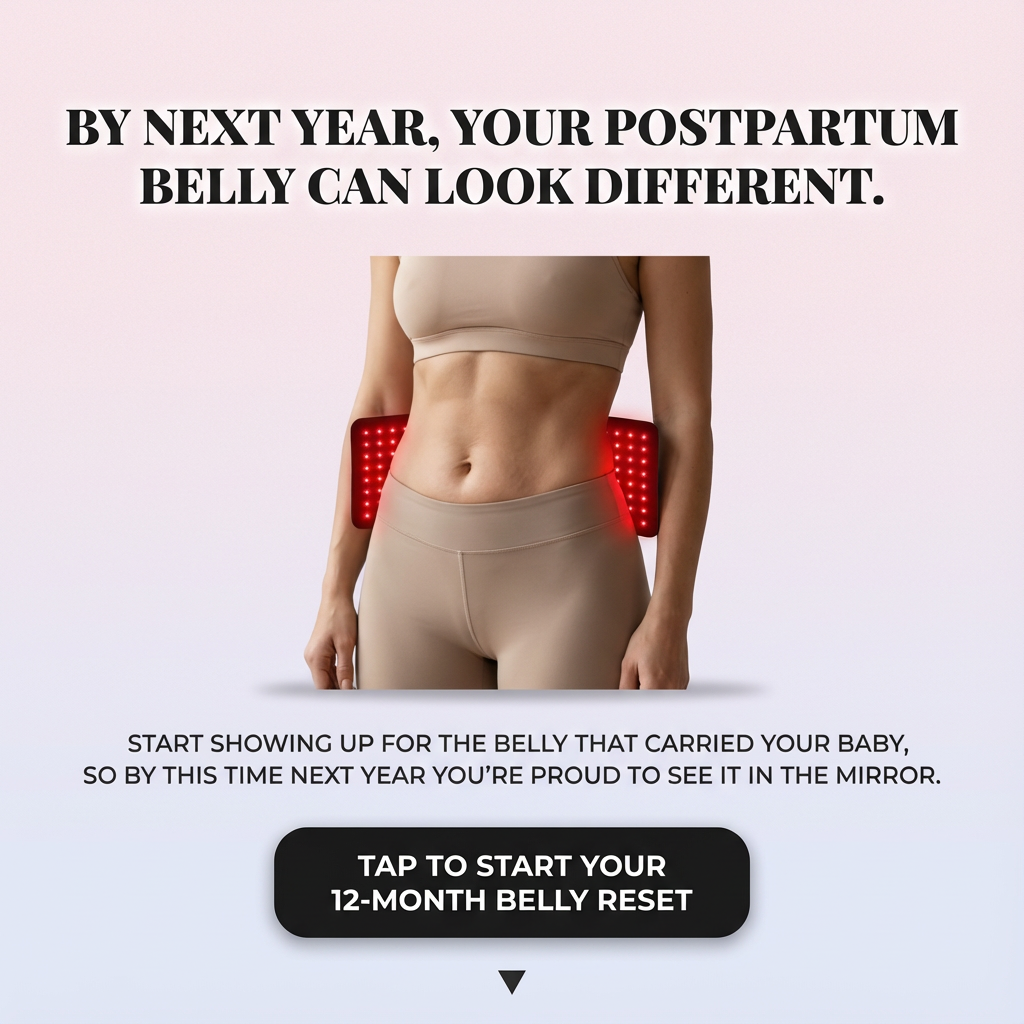
Wearable belts:
-
Maintain skin contact
-
Deliver light more efficiently
-
Encourage consistent use
Consistency is the biggest predictor of results.
Why Many Users Choose a Red Light Belt
A Red Light Belt is especially effective because it:
-
Targets one area precisely
-
Requires no setup
-
Is hands-free and passive
-
Fits into daily life
That’s why belts often outperform larger devices for at-home use.
Why the Nutrofuels™ Red Light Belt Stands Out
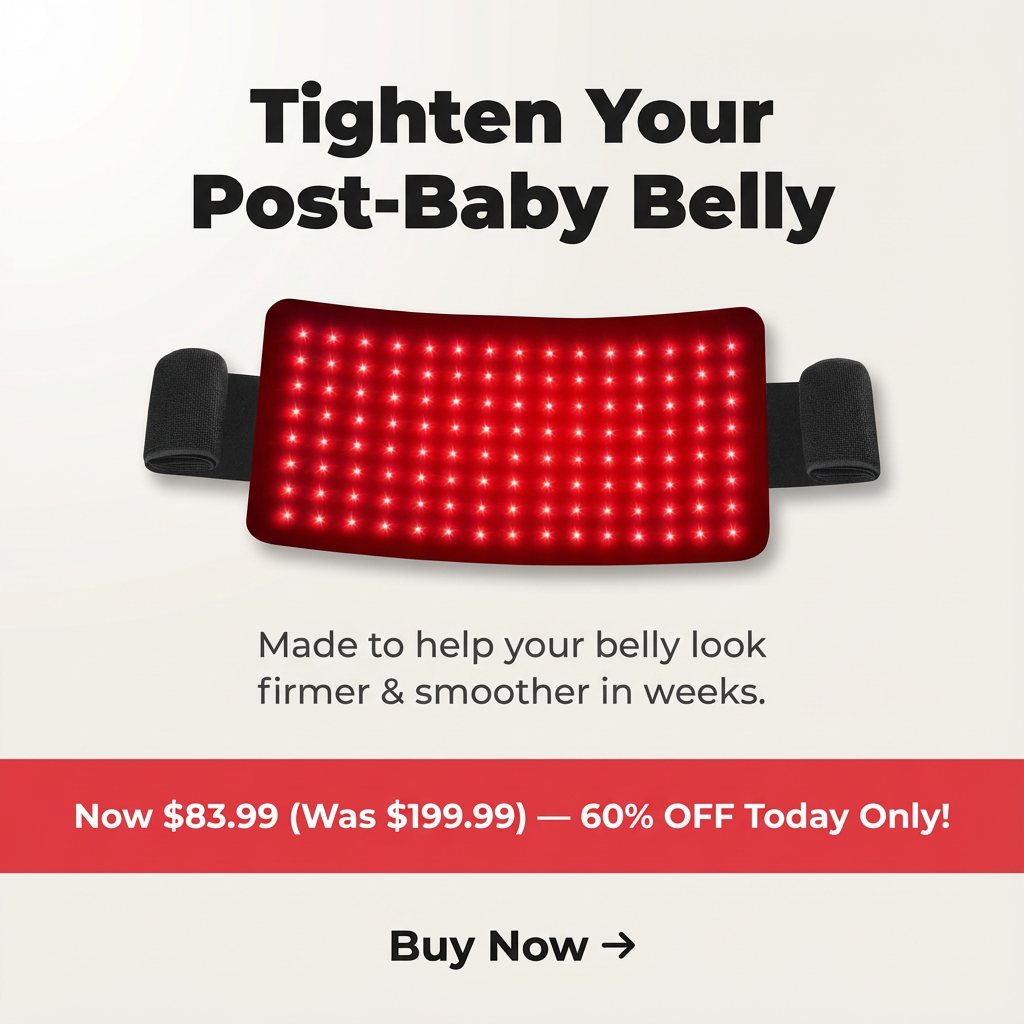
The Nutrofuels™ Red Light Belt is designed for safe, effective, targeted red light therapy at home.
It features:
-
Medical-grade 660nm red light
-
Deep-penetrating 850nm near-infrared light
-
Even LED distribution
-
Flexible, wearable, non-compressive design
It’s built for:
-
Skin tightening
-
Recovery support
-
Postpartum use
-
Long-term consistency
👉 View the Nutrofuels™ Red Light Belt here:
https://nutrofuels.com/products/red-light-belt
Final Verdict: Are Red Light Therapy Benefits Worth It?
When used correctly, red light therapy offers:
-
Real, science-supported benefits
-
Low risk
-
High usability
The key is:
-
Right wavelengths
-
Right placement
-
Right expectations
-
Consistent use
And for most people at home, a Red Light Belt is the most practical way to get those benefits safely.
If you’re looking for a non-invasive, drug-free way to support skin, recovery, and tissue health, the Nutrofuels™ Red Light Belt is built for exactly that.
👉 Explore the Nutrofuels™ Red Light Belt now:
https://nutrofuels.com/products/red-light-belt