
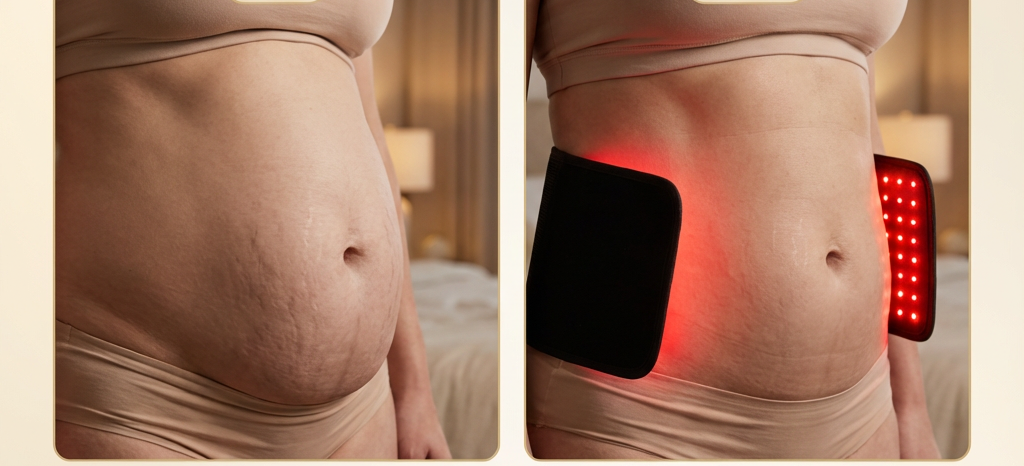
A Science-Backed Guide to Faster Muscle Repair — and Why a Red Light Belt Is One of the Most Effective Tools at Home
Training is only half of progress.
Recovery is where adaptation actually happens.
Whether your goal is fat loss, strength, endurance, or simply feeling better after workouts, what you do after exercise determines:
-
How sore you feel tomorrow
-
How fast muscles repair
-
How well connective tissue adapts
-
How consistent your training can be long term
And yet, post-workout recovery is often reduced to vague advice like:
-
“Stretch more”
-
“Drink water”
-
“Get enough sleep”
Helpful — but incomplete.
This guide breaks down the best post-workout recovery techniques, explains why they work biologically, and shows how modern tools like a Red Light Belt can dramatically improve recovery quality — especially when time, sleep, or age slow things down.
What Happens to Your Body After a Workout (The Part Most People Skip)
Exercise creates controlled stress.
During training:
-
Muscle fibers develop microtears
-
Inflammation increases
-
Glycogen is depleted
-
Connective tissue is stressed
-
Cellular energy (ATP) is drained
Recovery is the process of:
-
Repairing muscle fibers
-
Rebuilding collagen
-
Resolving inflammation
-
Restoring cellular energy
If recovery is incomplete, performance stalls — or injuries appear.
Why Most People Don’t Recover as Well as They Train
Modern recovery is challenged by:
-
Poor sleep
-
High stress
-
Under-fueling
-
Repetitive training
-
Limited time between sessions
This means recovery often becomes the rate-limiting step, not effort.
That’s why intentional recovery strategies matter.
The Best Post-Workout Recovery Techniques (Ranked by Impact)
Below are the most effective, science-backed recovery techniques — explained simply and realistically.
1. Proper Hydration (The Foundation)
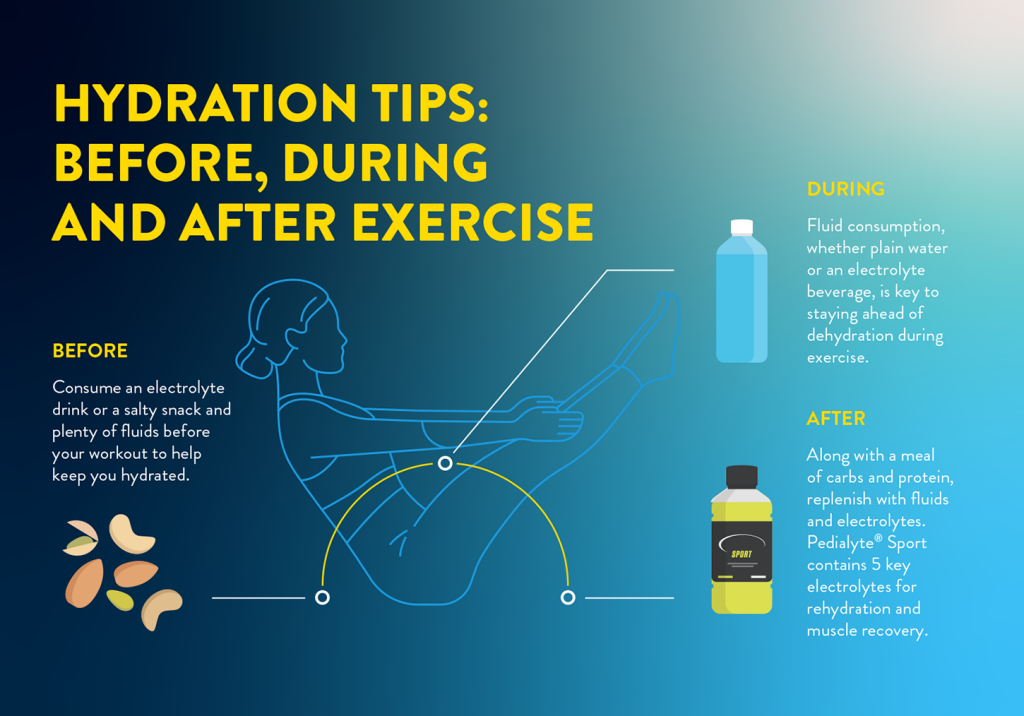
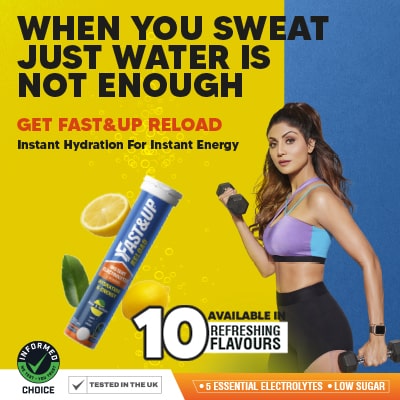
Hydration is the baseline of all recovery.
After exercise:
-
Fluids are lost through sweat
-
Blood volume decreases
-
Nutrient transport slows
Best practices:
-
Drink water immediately post-workout
-
Add electrolytes if sweating heavily
-
Avoid waiting until you feel thirsty
Hydration doesn’t build muscle — but nothing recovers without it.
2. Post-Workout Nutrition (Protein + Carbs)
Muscle repair requires raw materials.
Key nutrients:
-
Protein → repairs muscle fibers
-
Carbohydrates → restore glycogen
-
Micronutrients → support tissue repair
You don’t need perfection — just consistency.
Under-eating is one of the most common recovery killers.
3. Sleep (The Gold Standard — When You Can Get It)
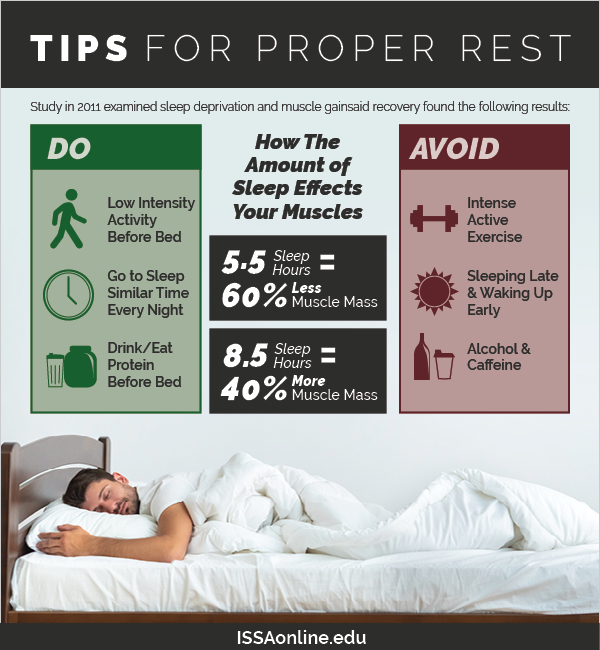
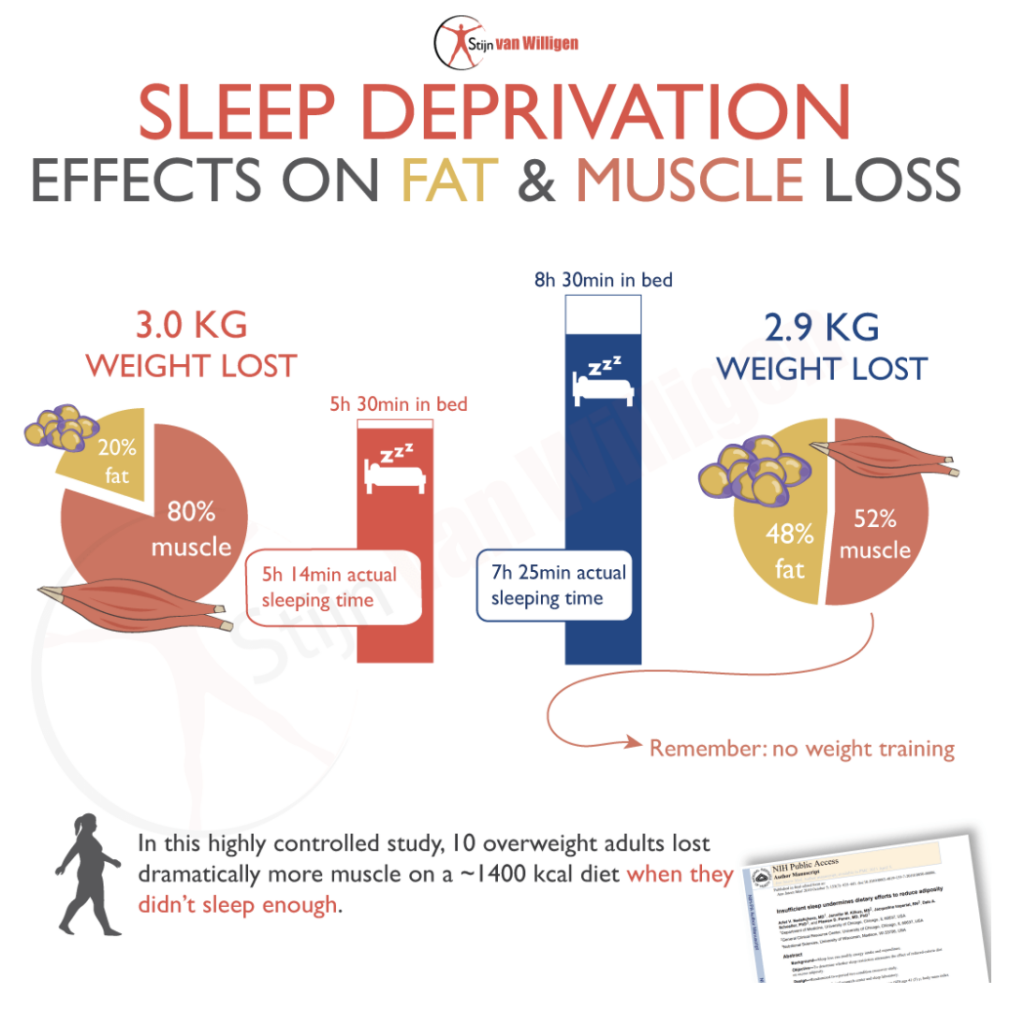
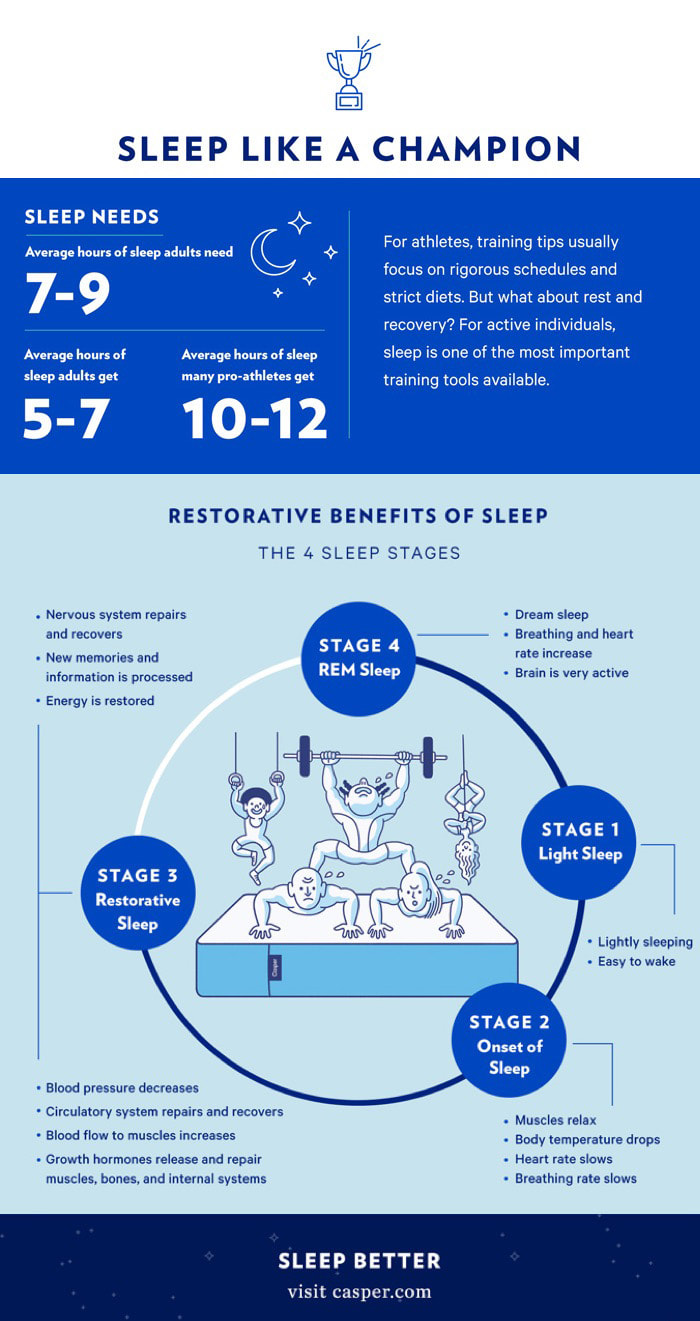
Sleep is when:
-
Growth hormone is released
-
Collagen is synthesized
-
Inflammation resolves
-
Mitochondria recharge
Unfortunately, many adults:
-
Don’t get enough deep sleep
-
Wake frequently
-
Train on a sleep deficit
Which is why additional recovery support becomes important.
4. Active Recovery (Movement Without Load)
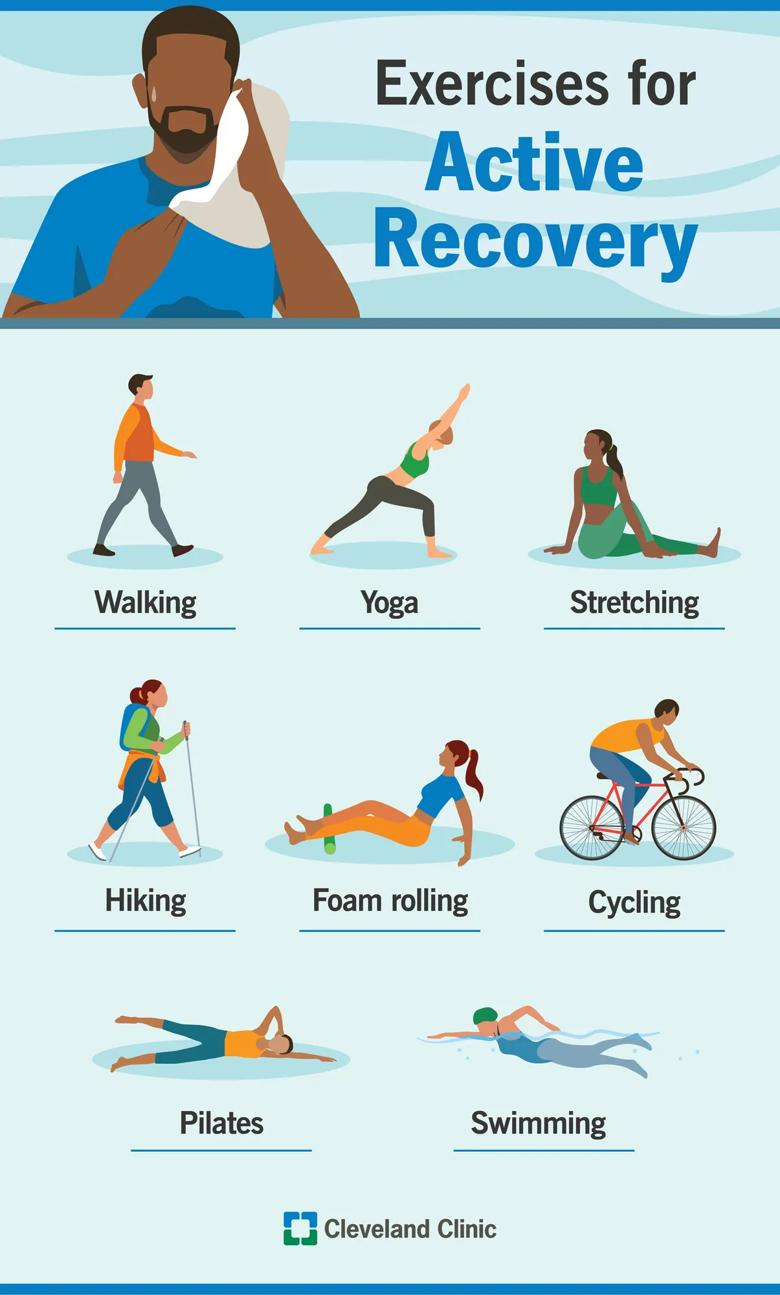
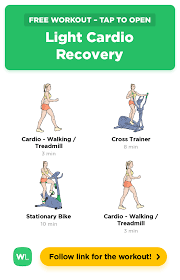
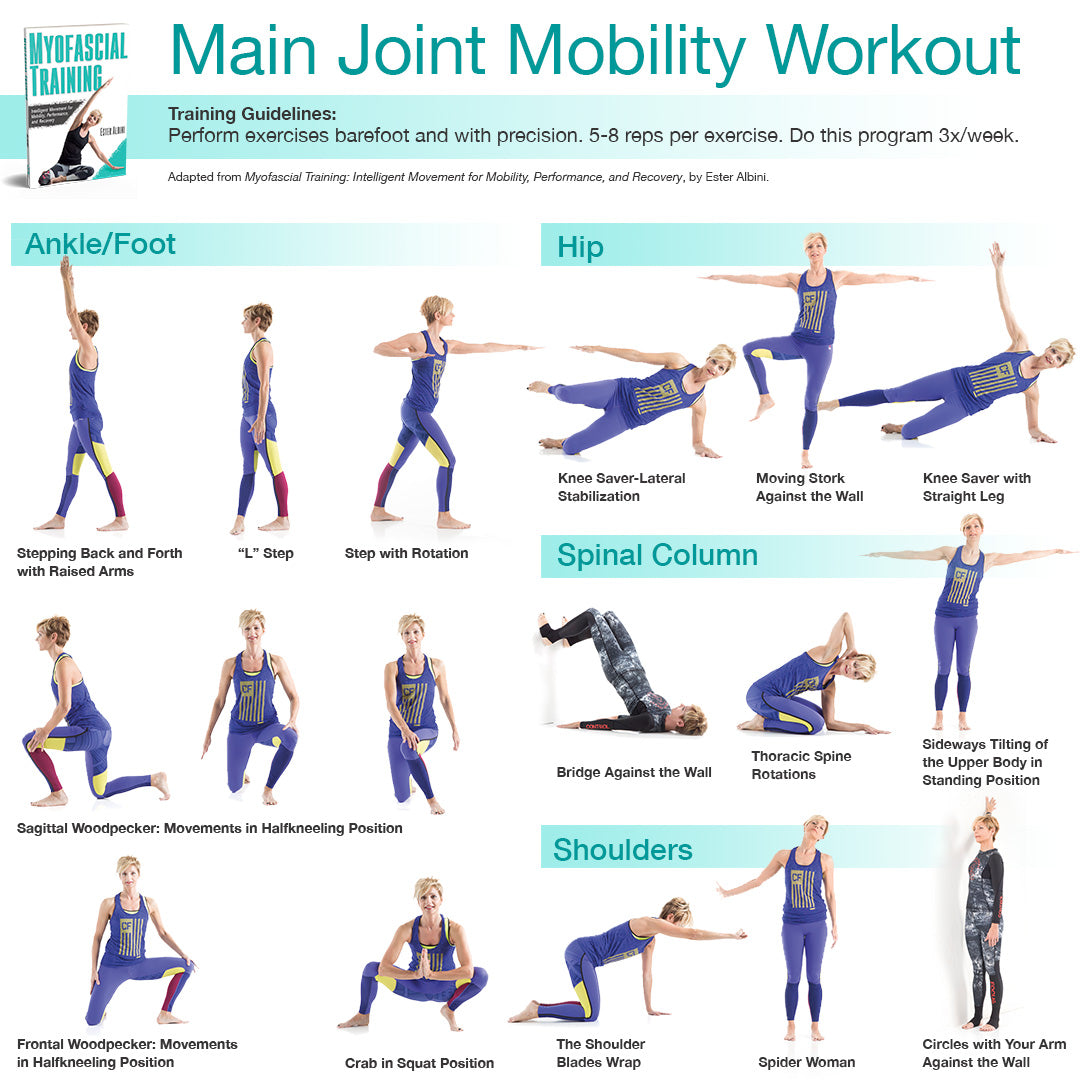
Active recovery includes:
-
Walking
-
Light cycling
-
Gentle mobility work
Benefits:
-
Improves circulation
-
Reduces stiffness
-
Clears metabolic waste
This helps muscles recover without adding more damage.
5. Stretching & Mobility (Used Correctly)
Stretching doesn’t repair muscle — but it helps:
-
Reduce perceived tightness
-
Improve joint range of motion
-
Restore movement patterns
Best used:
-
After workouts
-
Or on rest days
-
Gently, not aggressively
6. Cold vs Heat Therapy (Context Matters)
Cold exposure:
-
Can reduce soreness short-term
-
May blunt muscle growth if overused
Heat therapy:
-
Improves circulation
-
Helps relaxation
-
Supports tissue extensibility
Neither directly repairs tissue — they modify symptoms.
7. Massage & Foam Rolling
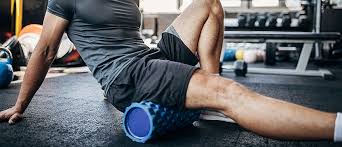
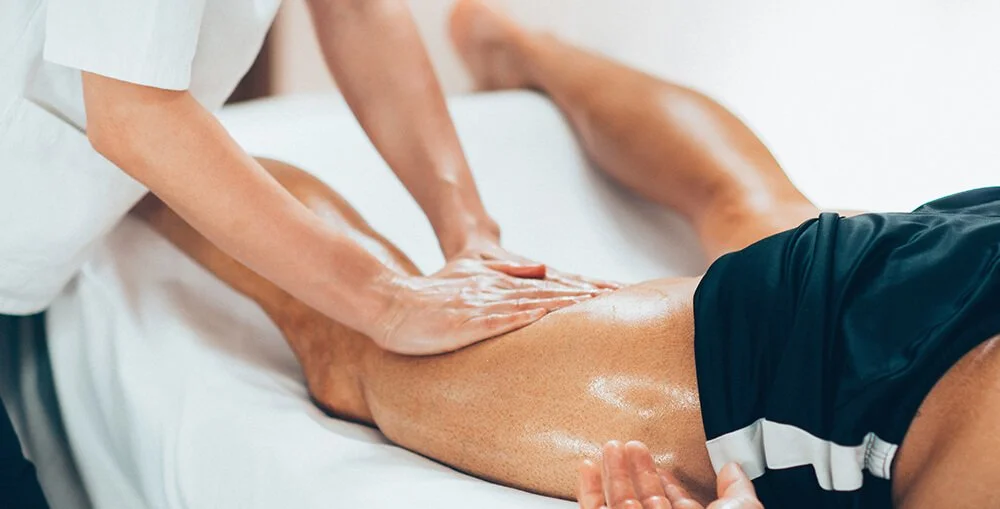

These techniques:
-
Improve circulation
-
Reduce perceived tightness
-
Improve movement quality
They don’t rebuild muscle — but they can speed comfort and readiness.
8. Red Light Therapy (Where Modern Recovery Changes)
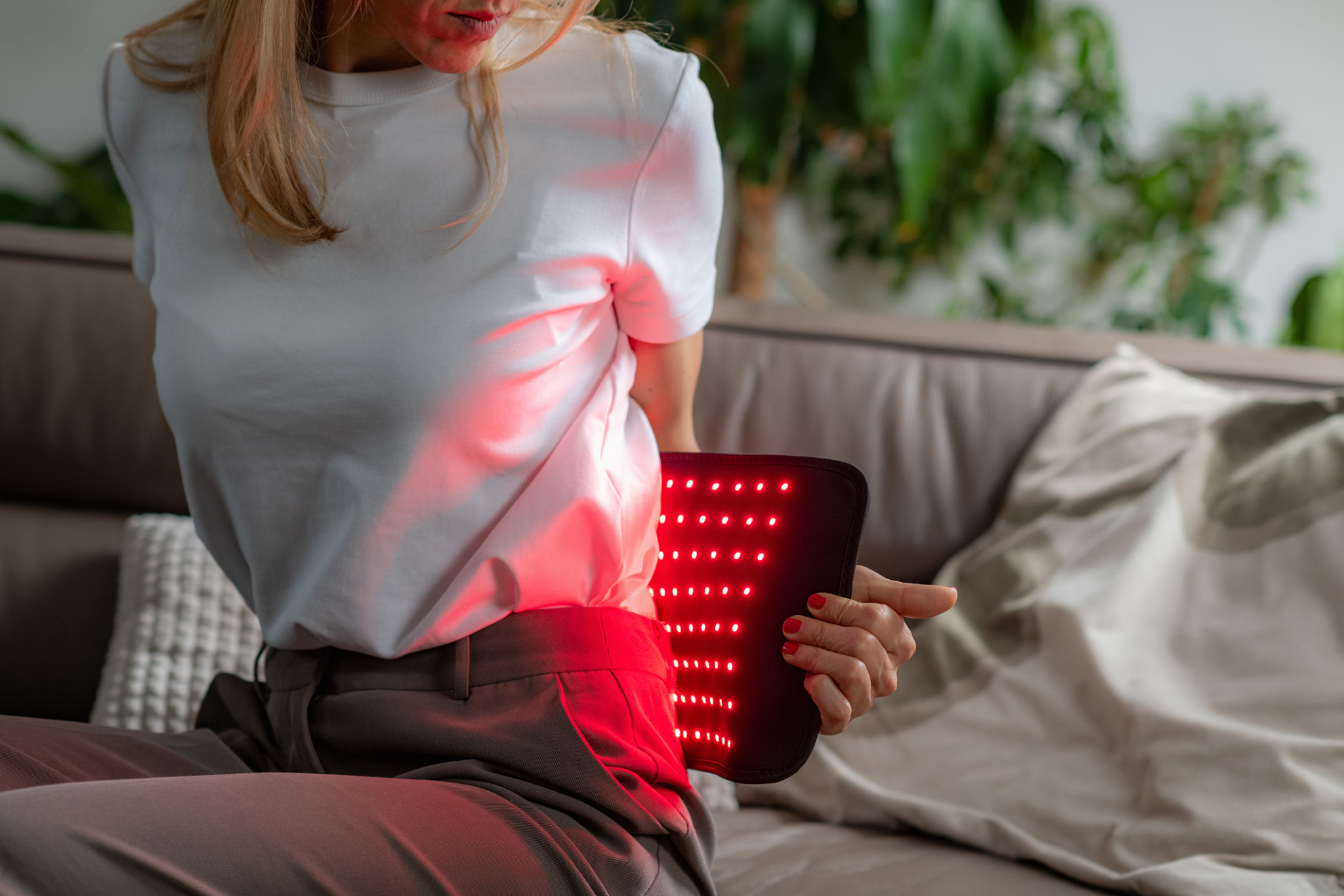
Red light therapy is one of the few recovery tools that works at the cellular level.
What Is Red Light Therapy?
Red light therapy (photobiomodulation) uses specific wavelengths:
-
660nm red light
-
850nm near-infrared (NIR) light
These wavelengths penetrate into muscle, fascia, and connective tissue.
How Red Light Therapy Accelerates Post-Workout Recovery
Unlike passive tools, red light therapy directly supports repair mechanisms.
1. Restores Cellular Energy (ATP)
Exercise depletes ATP.
Red and NIR light:
-
Improve mitochondrial efficiency
-
Increase ATP production
-
Support faster repair cycles
Recovery is energy-dependent.
2. Reduces Inflammation (Without Blocking Adaptation)
Red light therapy:
-
Modulates inflammatory signaling
-
Reduces oxidative stress
-
Supports resolution — not suppression
This helps soreness without blunting progress.
3. Improves Circulation to Worked Muscles
Red light therapy:
-
Improves microcirculation
-
Enhances oxygen delivery
-
Supports nutrient transport
Better blood flow = faster recovery.
4. Supports Collagen & Connective Tissue Repair
Recovery isn’t just muscle.
Red light therapy supports:
-
Tendons
-
Fascia
-
Ligaments
-
Joint tissue
This reduces injury risk long-term.
Why Red Light Therapy Works Best When It’s Targeted
Here’s a key insight:
Recovery is local.
The muscle you train is the muscle that needs recovery support.
Panels vs Wearable Belts
Red light panels:
-
Deliver light from a distance
-
Require standing or setup
-
Are harder to use daily
A Red Light Belt:
-
Wraps directly around the target area
-
Maintains skin contact
-
Delivers even, efficient exposure
-
Works passively
Which means better consistency.
Why Many Athletes and Active Adults Use a Red Light Belt
A Red Light Belt fits recovery reality because it is:
-
Hands-free
-
Non-invasive
-
Easy to use post-workout
-
Effective even on tired days
You can use it:
-
While stretching
-
While hydrating
-
While resting
Recovery without effort scales best.
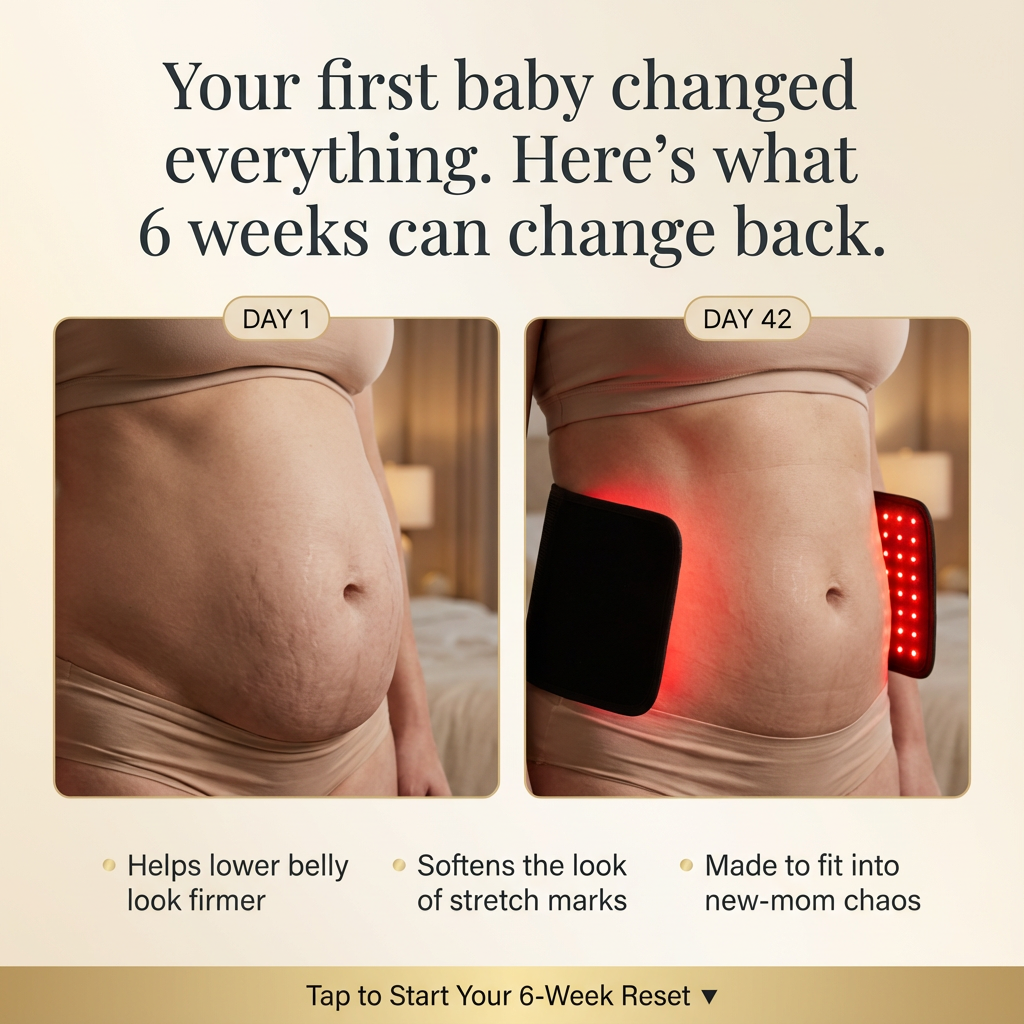
Why the Nutrofuels™ Red Light Belt Is Built for Recovery
The Nutrofuels™ Red Light Belt is engineered specifically for targeted post-workout recovery.
It delivers:
-
Medical-grade 660nm red light for tissue repair
-
Deep-penetrating 850nm near-infrared light for ATP and circulation
-
Even LED coverage across muscles or joints
-
A flexible, wearable design for daily use
No setup.
No standing.
No clinic visits.
👉 View the Nutrofuels™ Red Light Belt here:
https://nutrofuels.com/products/red-light-belt
How to Use Red Light Therapy After Workouts
Best practices:
-
20–30 minutes per session
-
Post-workout or later the same day
-
Daily or 5–6x per week
-
Place directly over trained muscles
What users notice:
-
Less next-day soreness
-
Faster readiness for the next session
-
Improved tissue comfort
Putting It All Together: The Optimal Post-Workout Recovery Stack
For best results:
-
Hydrate + electrolytes
-
Eat protein and carbs
-
Light movement or stretching
-
Sleep when possible
-
Targeted red light therapy
Red light therapy doesn’t replace the basics — it amplifies them.
Safety Notes
Red light therapy is generally well tolerated.
Guidelines:
-
Avoid open wounds
-
Don’t exceed recommended session times
-
Avoid direct eye exposure
Always listen to your body.
Final Takeaway: Recovery Determines Results
Training breaks tissue down.
Recovery builds it back stronger.
The best post-workout recovery plan:
-
Supports cellular energy
-
Resolves inflammation
-
Improves circulation
-
Is repeatable daily
And for many active adults, a Red Light Belt is one of the most efficient recovery tools you can use at home.
If you want faster recovery, better consistency, and fewer setbacks, the Nutrofuels™ Red Light Belt is designed to support exactly that.
👉 Explore the Nutrofuels™ Red Light Belt now:
https://nutrofuels.com/products/red-light-belt