
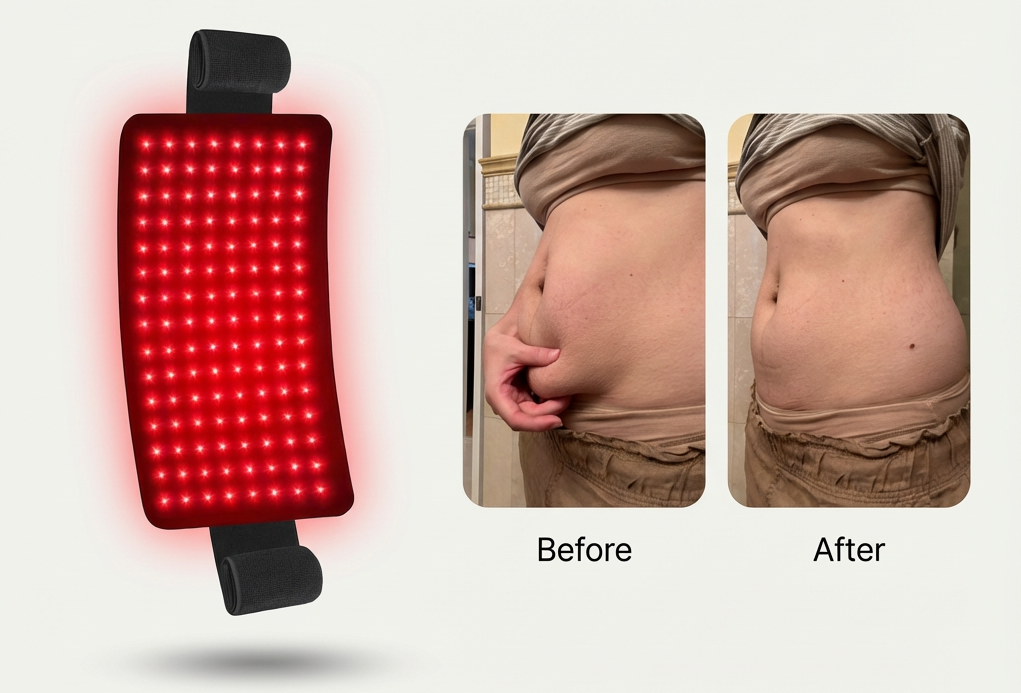
A Science-Backed Guide — and Why a Red Light Belt Is One of the Most Practical At-Home Options
Joint discomfort has a way of creeping into daily life.
It’s not always sharp pain.
Sometimes it’s stiffness when you wake up.
Sometimes it’s reduced range of motion.
Sometimes it’s that quiet hesitation before you bend, squat, or stand.
For millions of health-conscious adults, the question isn’t just about pain relief — it’s about comfort, flexibility, and preserving movement over time.
That’s why interest in red light therapy for joints has grown so rapidly.
But let’s be clear and honest:
Can red light therapy actually support joint comfort and flexibility — and does it work at home?
This article breaks down the real science, the realistic benefits, and the practical use of red light therapy for joints — with a special focus on why a Red Light Belt is often the most usable option for daily support.
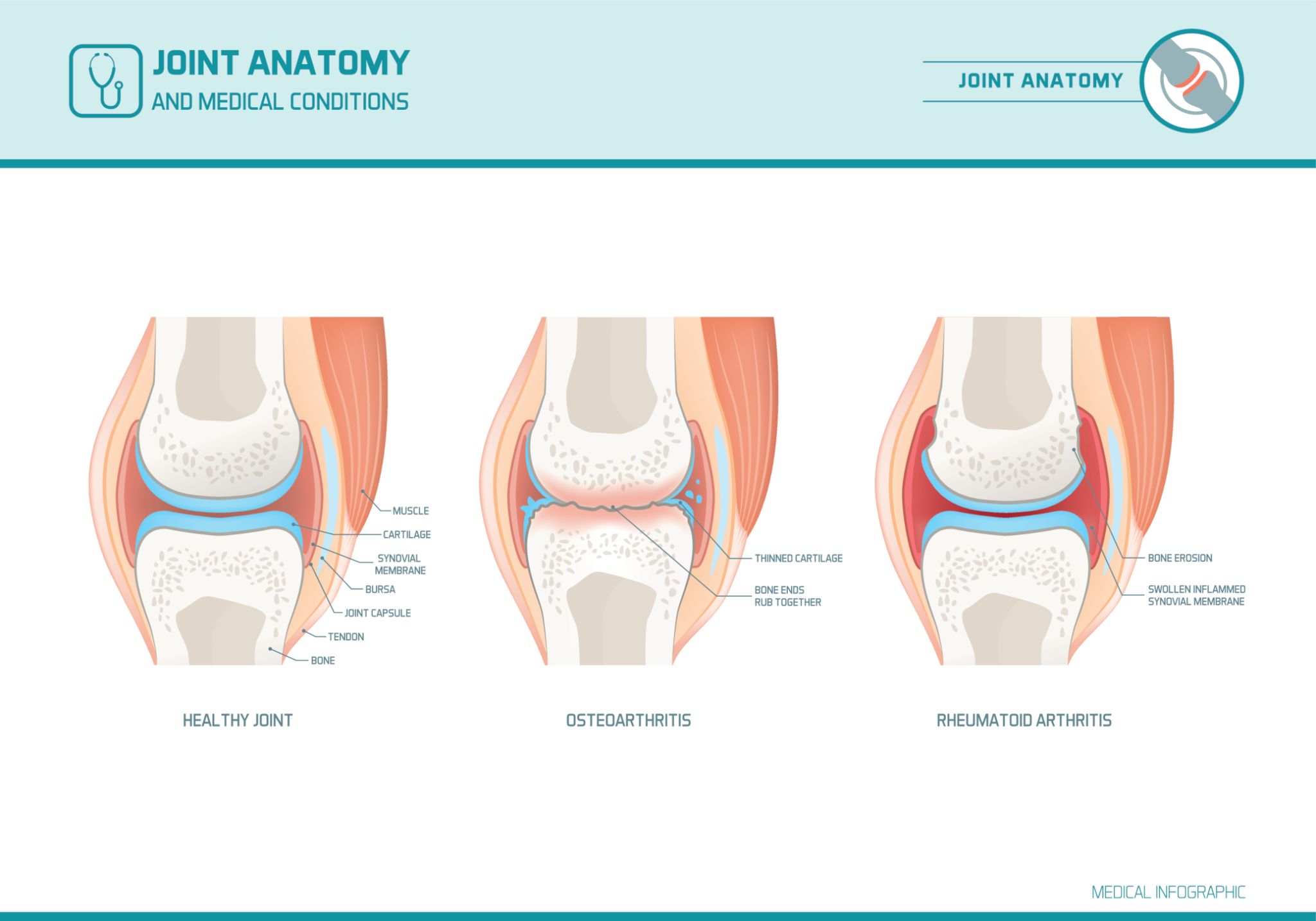
Why Joints Become Stiff, Sore, or Less Flexible Over Time
Joint discomfort is rarely caused by just one factor.
Most joint issues develop from a combination of:
-
Chronic low-grade inflammation
-
Reduced circulation to joint tissue
-
Connective tissue breakdown (cartilage, ligaments, tendons)
-
Repetitive stress or overuse
-
Past injury
-
Aging-related cellular energy decline
Even in conditions like arthritis, pain is not the only problem.
Loss of flexibility often comes from:
-
Stiff surrounding connective tissue
-
Reduced synovial fluid movement
-
Muscles guarding the joint
-
Inflammation interfering with normal motion
This is why joint recovery is not just about masking pain — it’s about supporting the tissue environment around the joint.
Why Many Joint Comfort Solutions Fall Short
Common approaches include:
-
Pain medications
-
Topical creams
-
Heat or ice
-
Braces or compression
These can help temporarily — but they don’t always address why the joint feels restricted in the first place.
Long-term joint comfort depends on:
-
Healthy circulation
-
Low inflammatory signaling
-
Adequate cellular energy (ATP)
-
Support for connective tissue repair
This is where red light therapy becomes relevant.
What Is Red Light Therapy?
Red light therapy (also called photobiomodulation) uses specific wavelengths of light to support cellular function.
The most studied wavelengths for joint and connective tissue support are:
-
Red light (~660 nm)
-
Near-infrared light (~850 nm)
These wavelengths:
-
Penetrate the skin
-
Reach muscles, connective tissue, and joints
-
Do not significantly heat the body
Instead of acting through heat, red light therapy works through cellular energy and circulation.
How Red Light Therapy Works at the Joint Level
To understand how red light therapy supports joints, you need to understand mitochondria.
Mitochondria are the energy-producing structures inside cells — including:
-
Cartilage cells
-
Ligament and tendon cells
-
Muscle cells surrounding joints
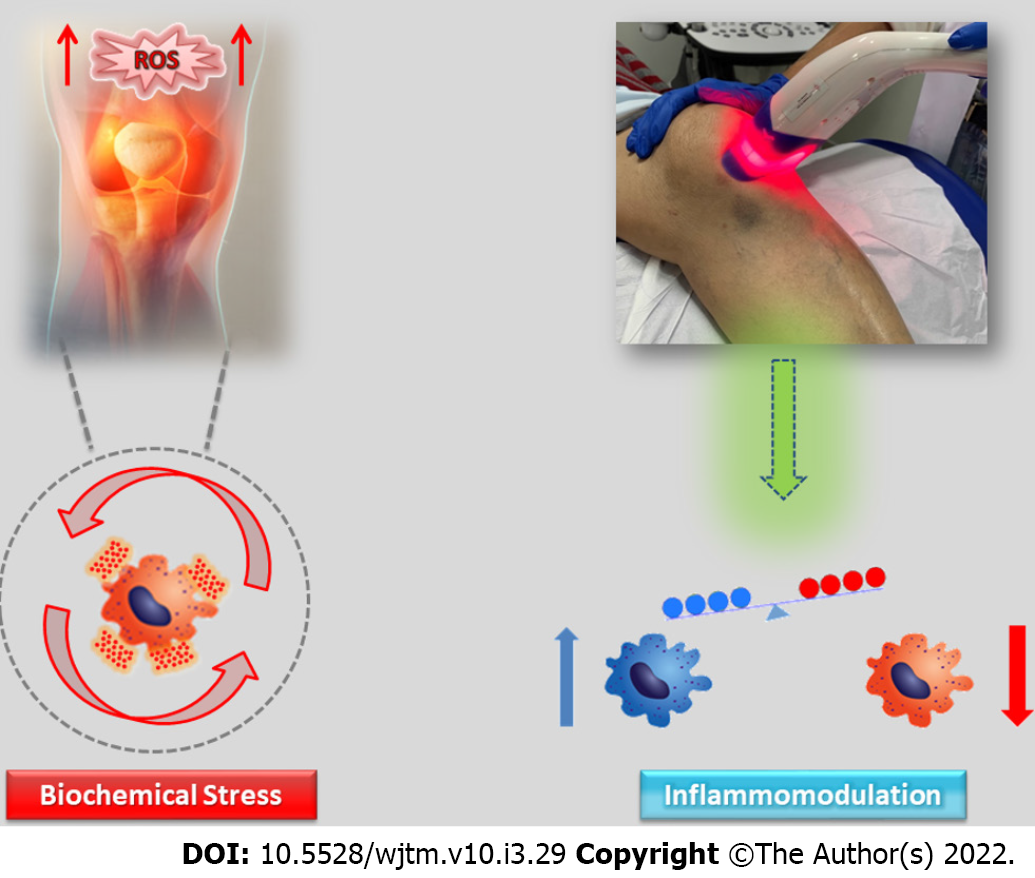
When joint tissue is stressed or inflamed:
-
Mitochondrial efficiency drops
-
ATP (cellular energy) production declines
-
Repair and flexibility suffer
Red light therapy helps by:
-
Improving mitochondrial efficiency
-
Increasing ATP production
-
Improving local blood flow
-
Reducing oxidative stress
In simple terms:
Red light therapy helps joint tissues regain the energy needed to move and recover normally.
How Red Light Therapy May Support Joint Comfort
Let’s break down the key mechanisms — without hype.
1. Reduces Inflammatory Signaling
Chronic inflammation is one of the biggest drivers of joint stiffness and discomfort.
Red light therapy has been shown to:
-
Modulate inflammatory cytokines
-
Reduce oxidative stress
-
Support resolution of low-grade inflammation
Lower inflammation allows joints to:
-
Move more freely
-
Feel less guarded
-
Recover more efficiently
This doesn’t “turn off” inflammation completely — it helps normalize it.
2. Improves Circulation Around the Joint
Joint tissue relies on surrounding blood flow for:
-
Oxygen delivery
-
Nutrient transport
-
Waste removal
Red and near-infrared light:
-
Improve microcirculation
-
Enhance oxygen delivery
-
Support healthier tissue metabolism
Better circulation = better flexibility potential.
3. Supports Connective Tissue Health
Joint comfort depends heavily on:
-
Tendons
-
Ligaments
-
Fascia
-
Surrounding muscle tissue
Red light therapy may help support:
-
Collagen remodeling
-
Tissue elasticity
-
Structural resilience
This is especially important for joints that feel stiff rather than acutely painful.
4. Improves Cellular Energy (ATP)
Joint movement requires energy — not just from muscles, but from joint-supporting tissue.
Red light therapy:
-
Improves ATP production
-
Supports tissue repair cycles
-
Helps reduce fatigue-related stiffness
This is why flexibility improvements are often felt before they are seen.
What the Research Suggests About Joints and Arthritis

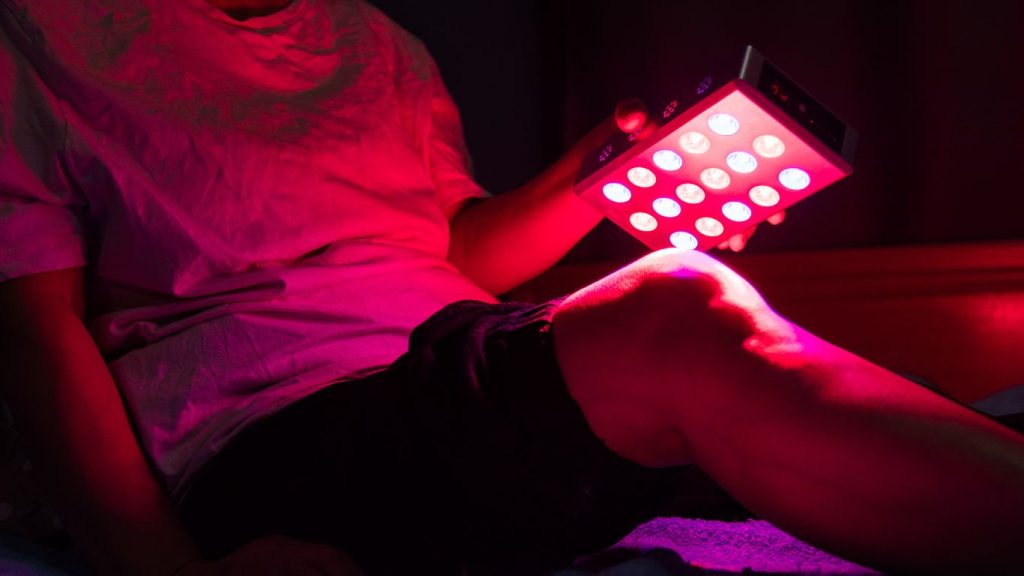
Research into red light therapy for arthritis and joint discomfort suggests potential benefits for:
-
Pain reduction
-
Reduced stiffness
-
Improved movement tolerance
Importantly:
-
Red light therapy does not cure arthritis
-
It does not rebuild cartilage overnight
-
It is a supportive therapy, not a replacement for medical care
But many users report:
-
Better comfort during movement
-
Less morning stiffness
-
Improved range of motion with consistent use
Joint Comfort vs Joint Flexibility: Why the Difference Matters
Joint comfort and flexibility are related — but not identical.
-
Comfort refers to how the joint feels at rest or during use
-
Flexibility refers to range of motion and ease of movement
Red light therapy supports both by:
-
Reducing inflammatory barriers
-
Improving circulation
-
Supporting tissue elasticity
Flexibility often improves after comfort improves — not before.
Why Delivery Method Matters for Joint Results
Here’s a key insight many people miss:
Red light therapy works locally.
The joint you expose is the joint that benefits.
Panels vs Wearable Devices
Red light panels:
-
Deliver light from a distance
-
Lose intensity with space
-
Are harder to position over joints
-
Are less consistent for daily use
Wearable solutions like a Red Light Belt:
-
Wrap directly over the joint or surrounding tissue
-
Maintain skin contact
-
Deliver light more efficiently
-
Encourage daily consistency
Consistency is the single biggest factor in joint results.
Why a Red Light Belt Is Ideal for Joint Comfort and Flexibility
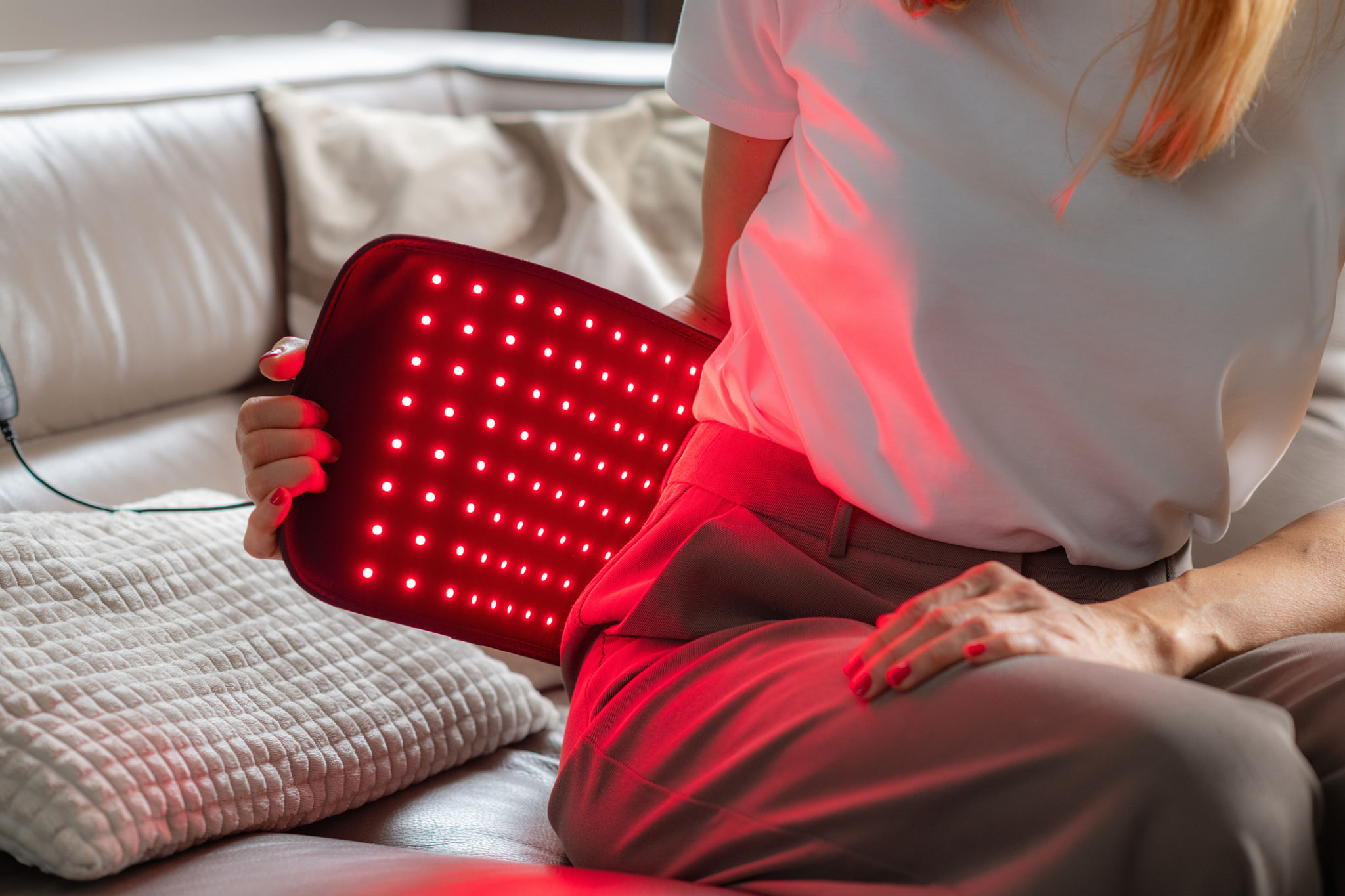
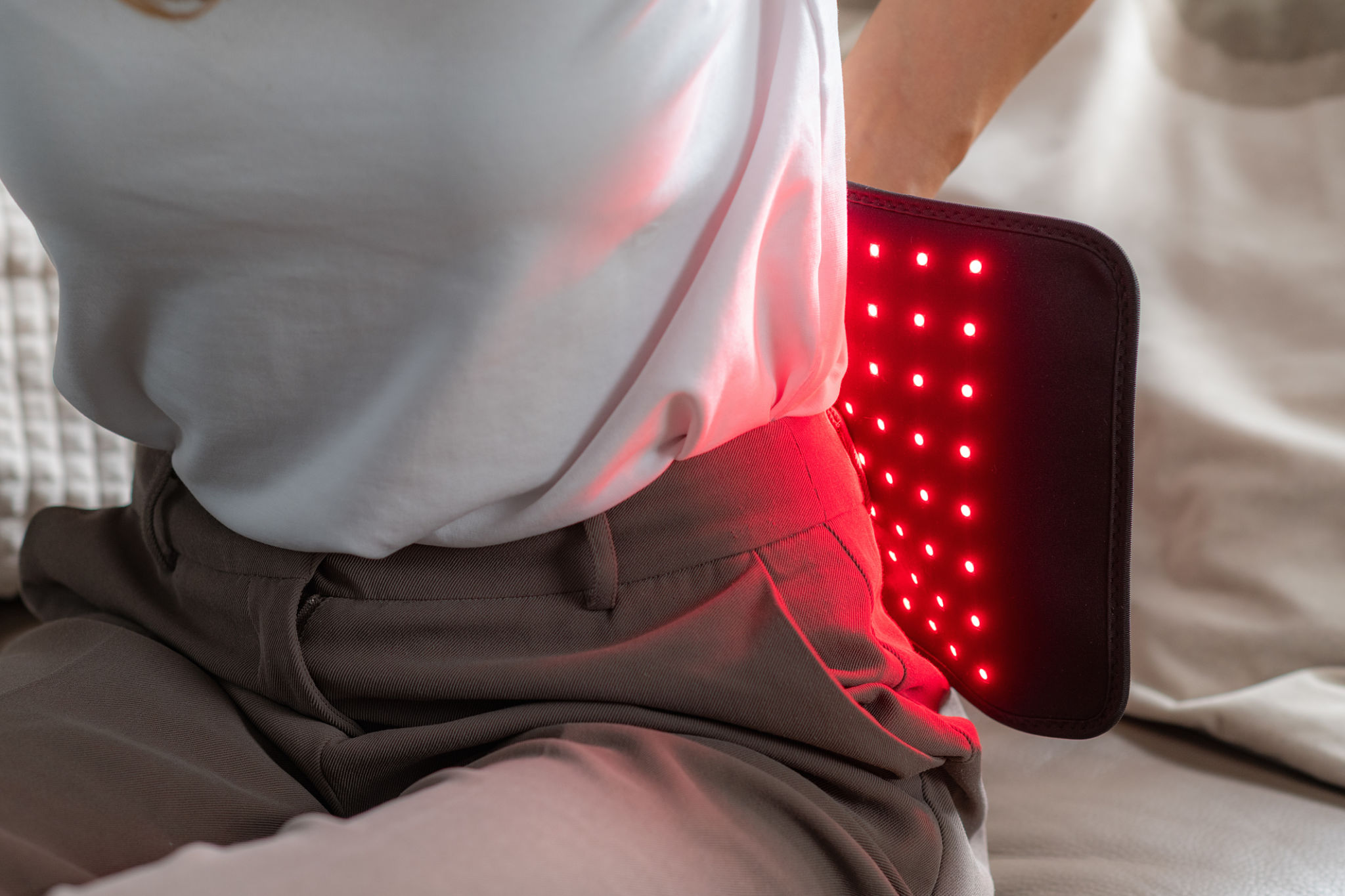
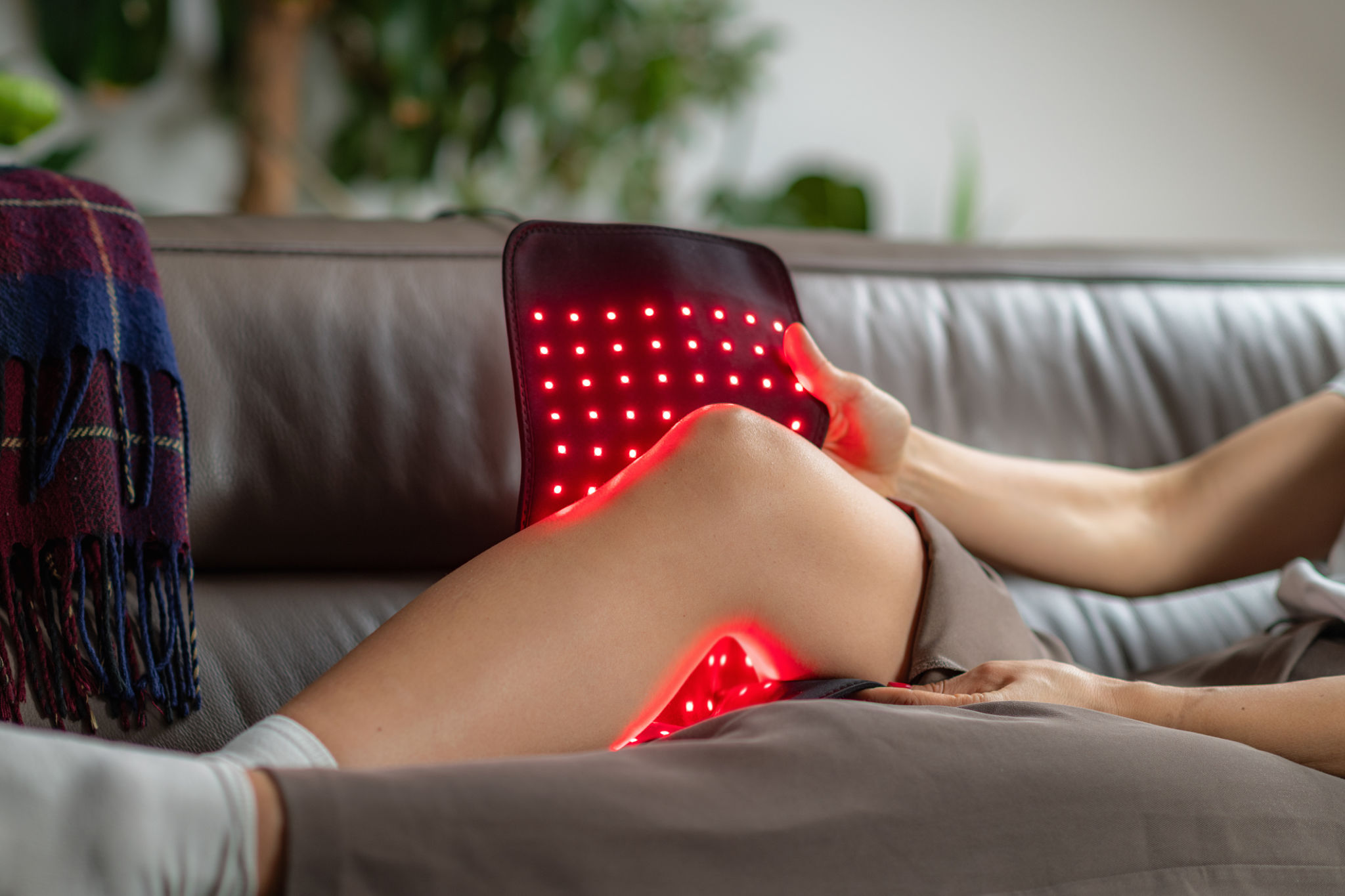
A Red Light Belt works especially well for joints because it:
-
Can be wrapped around knees, hips, or lower back
-
Delivers even, targeted exposure
-
Does not compress or restrict movement
-
Allows hands-free, passive use
You can use it:
-
While sitting
-
While resting
-
While stretching gently
That makes it realistic — not aspirational.
Why Many People Choose the Nutrofuels™ Red Light Belt
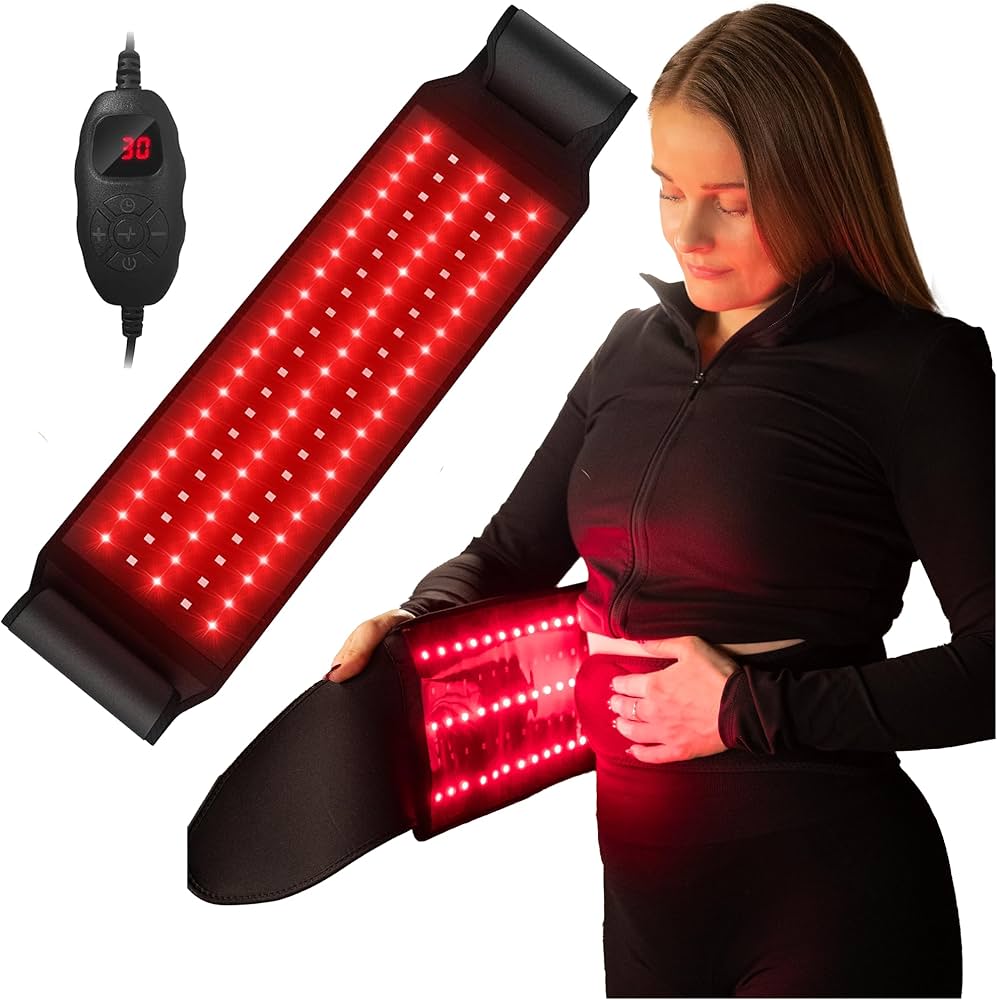
The Nutrofuels™ Red Light Belt is designed for targeted, at-home red light therapy.
It features:
-
Dual wavelengths (660nm red + 850nm near-infrared)
-
Even LED distribution
-
Flexible, wearable design
-
Hands-free use for daily consistency
It’s commonly used for:
-
Knee and hip comfort
-
Lower-back stiffness
-
Post-workout joint recovery
-
Ongoing joint-support routines
👉 View the Nutrofuels™ Red Light Belt here:
https://nutrofuels.com/products/red-light-belt
How to Use Red Light Therapy for Joint Support
Best-practice guidelines:
-
20–30 minutes per session
-
Daily or 5–6 times per week
-
Place directly over the joint or surrounding tissue
-
Use consistently for several weeks
What most users notice first:
-
Reduced stiffness
-
Easier movement
-
Improved comfort during daily activity
Flexibility improvements often follow comfort improvements.
Safety Considerations
Red light therapy is generally well tolerated when used correctly.
Important reminders:
-
Avoid direct eye exposure
-
Do not use on open wounds
-
Follow recommended session times
-
Consult a healthcare provider if you have joint disease or recent surgery
Red light therapy is a support tool, not a medical treatment.
Final Answer: Can Red Light Therapy Support Joint Comfort and Flexibility?
Yes — when used correctly and consistently, red light therapy can support:
-
Joint comfort
-
Reduced stiffness
-
Improved flexibility
-
Better movement tolerance
It does this by:
-
Improving cellular energy
-
Enhancing circulation
-
Reducing inflammatory interference
-
Supporting connective tissue health
And for at-home use, a Red Light Belt is one of the most practical ways to apply red light therapy consistently, which is what actually drives results.
If you’re looking for a non-invasive, drug-free way to support joint comfort and flexibility — without heat, compression, or complicated setups — the Nutrofuels™ Red Light Belt is designed for exactly that purpose.
👉 Explore the Nutrofuels™ Red Light Belt now:
https://nutrofuels.com/products/red-light-belt