
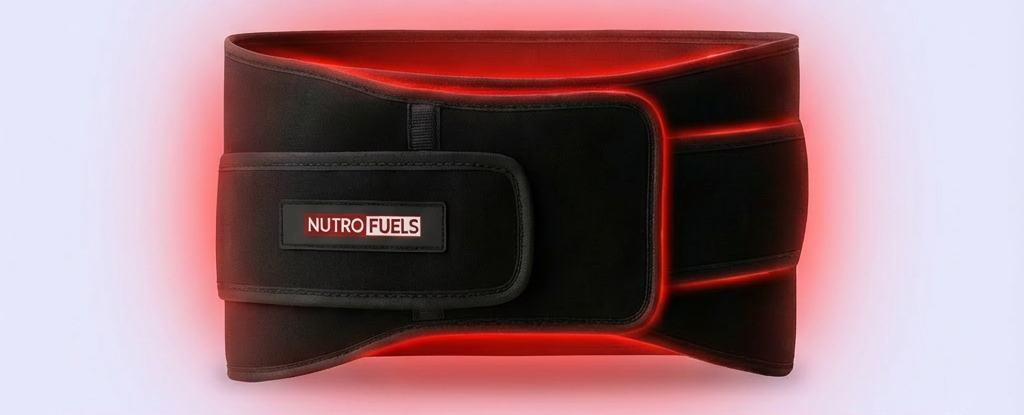
Why Many Moms Are Turning to Red Light Therapy (and the Red Light Belt)
After pregnancy, most women expect change.
What many don’t expect is how long those changes last.
The scale may go down.
Clothes may start to fit again.
But the belly? The skin? The “soft pouch” that still looks 3–4 months pregnant?
For millions of postpartum moms, this is the most frustrating part of recovery.
And it leads to one big question:
What is the best postpartum skin tightening method—and what actually works at home?
In this guide, we’ll walk through:
-
Why postpartum skin behaves differently
-
The most common skin tightening options (and their real tradeoffs)
-
Why many moms don’t want surgery or aggressive treatments
-
How red light therapy works for postpartum skin recovery
-
And why a Red Light Belt has become a preferred at-home option for many women
This article is written with a medical-professional tone, grounded in physiology—not hype—and designed to help you choose the method that fits your body, lifestyle, and recovery timeline.
Why Postpartum Skin Tightening Is Different
Postpartum skin laxity isn’t the same as weight-loss skin laxity.
During pregnancy, the body goes through:
-
Rapid skin stretching
-
Hormonal shifts that affect collagen and elastin
-
Increased inflammation
-
Changes in circulation
-
Separation of underlying abdominal tissue
After delivery:
-
Weight may drop quickly
-
But skin and connective tissue recover slowly
-
Collagen production often lags behind
That’s why many women say:
“The weight came off… but my belly still feels soft, loose, and unsupported.”
This isn’t failure.
It’s biology.
What Postpartum Moms Are Really Looking For
Most postpartum women are not looking for:
-
Extreme fat loss
-
Compression shapewear
-
“Snap back” promises
They want:
-
Skin to feel firmer again
-
The lower belly to feel supported
-
Tissue that doesn’t feel deflated or weak
-
A solution that fits into real life with a baby
That’s why choosing the right skin tightening method matters so much.
Common Postpartum Skin Tightening Methods (Pros & Cons)
Let’s break down the most common options—honestly.
1. Exercise & Core Rehab
Pros
-
Improves strength and function
-
Essential for long-term recovery
Limitations
-
Exercise does not directly tighten skin
-
Collagen remodeling is slow
-
Skin often lags behind muscle recovery
Exercise helps—but it doesn’t solve skin laxity alone.
2. Topical Creams & Oils
Pros
-
Easy to use
-
Can improve skin hydration
Limitations
-
Do not penetrate deeply
-
Minimal effect on collagen production
-
Mostly surface-level improvement
Helpful for comfort—but limited for structural change.
3. Compression Garments & Belly Wraps
Pros
-
Temporary support
-
Can feel stabilizing early postpartum
Limitations
-
No long-term skin remodeling
-
Results disappear when removed
-
Can feel restrictive or uncomfortable
Compression hides the issue—it doesn’t change the tissue.
4. In-Clinic Skin Tightening (RF, Ultrasound, Lasers)
Pros
-
Can stimulate collagen
-
Professional supervision
Limitations
-
Expensive
-
Requires appointments
-
Not always breastfeeding-friendly
-
Results vary widely
Many moms simply don’t have the time—or budget—for this route.
5. Surgery (Tummy Tuck)
Pros
-
Immediate, dramatic results
Limitations
-
Invasive
-
Long recovery
-
High cost
-
Not suitable for many postpartum women
Most moms want a non-surgical, gradual, supportive option first.
Why Many Moms Choose Red Light Therapy Instead
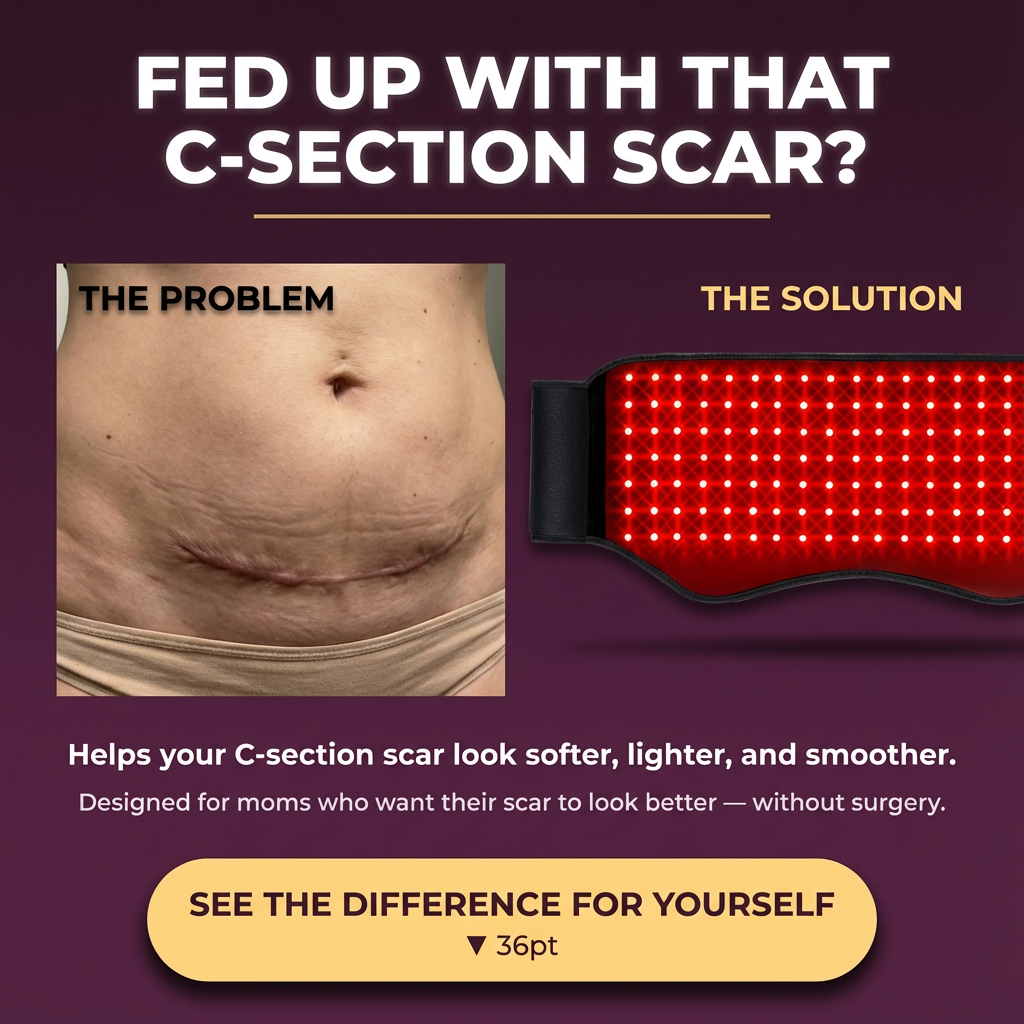
It’s:
-
Non-invasive
-
Drug-free
-
Gentle
-
Suitable for at-home use
-
Designed to work with the body—not against it
But what makes it different?
How Red Light Therapy Works for Postpartum Skin
Red light therapy (also called photobiomodulation) uses specific wavelengths of light to support cellular recovery.
The most studied wavelengths are:
-
660nm red light
-
850nm near-infrared (NIR) light
These wavelengths penetrate the skin and reach the tissue where collagen is produced.
The Collagen Connection
Postpartum skin laxity is largely a collagen issue.
After pregnancy:
-
Fibroblast activity (collagen-producing cells) slows
-
Inflammation interferes with repair
-
Circulation is reduced in stretched tissue
Red light therapy helps by:
-
Stimulating fibroblasts
-
Improving blood flow
-
Increasing cellular energy (ATP)
-
Reducing inflammatory signaling
This creates the conditions the body needs to gradually rebuild tissue support.
Why Red Light Therapy Makes Sense Postpartum
Unlike aggressive treatments, red light therapy:
-
Doesn’t force tissue change
-
Doesn’t rely on compression
-
Doesn’t require downtime
Instead, it supports:
-
Slow, natural remodeling
-
Daily consistency
-
Long-term improvement
That’s exactly what postpartum recovery needs.
Why Delivery Method Matters (Panels vs Belts)
Here’s something most moms don’t realize:
Postpartum skin tightening responds best to consistent, localized treatment.
Red light panels:
-
Are stationary
-
Require setup
-
Are harder to use daily with a baby
A Red Light Belt:
-
Wraps directly around the lower belly
-
Maintains skin contact
-
Delivers even light to the exact area that needs support
-
Can be used while sitting, resting, or feeding
Consistency is everything—and belts make consistency realistic.
Why a Red Light Belt Is Especially Popular with Moms
A Red Light Belt works well postpartum because it’s:
-
Targeted (lower belly focus)
-
Gentle (no heat shock, no pressure)
-
Hands-free
-
Easy to use daily
It doesn’t try to “flatten” the belly.
It supports the tissue so recovery doesn’t stay stuck.
What to Look for in a Postpartum Red Light Device
Not all red light devices are the same.
For postpartum skin tightening, look for:
-
Dual wavelengths (660nm + 850nm)
-
Even LED coverage (no hot spots)
-
Flexible, body-contouring design
-
Comfortable fit for longer sessions
-
A format that encourages daily use
This is exactly how the Nutrofuels™ Red Light Belt is designed.
Why the Nutrofuels™ Red Light Belt Fits Postpartum Recovery
The Nutrofuels™ Red Light Belt was built for real bodies and real routines—including postpartum recovery.
It delivers:
-
Medical-grade 660nm red light to support collagen activity
-
Deep-penetrating 850nm near-infrared light for circulation and tissue support
-
Full coverage across the lower belly area
-
A wearable design that fits into daily life
No appointments.
No compression.
No downtime.
👉 View the Nutrofuels™ Red Light Belt here:
https://nutrofuels.com/products/red-light-belt
How to Use Red Light Therapy Postpartum
General guidelines:
-
20–30 minutes per session
-
Daily or 5–6x per week
-
Place directly over the lower belly
-
Use consistently for several weeks
Most moms notice:
-
Tissue feels less “deflated” first
-
Then better support and firmness
-
Then gradual visual improvement
Postpartum skin recovery is slow—but responsive when supported correctly.
Is Red Light Therapy Safe Postpartum?
Red light therapy is generally well tolerated when used as directed.
Important notes:
-
Avoid use over open wounds
-
Follow recommended session times
-
If you’ve had a C-section, consult your healthcare provider before starting
Red light therapy is a support tool, not a medical treatment—but it fits well into postpartum recovery routines.
Final Thoughts: Choosing the Best Postpartum Skin Tightening Method
There is no single “best” method for every mom.
But for women who want:
-
A non-invasive option
-
Something gentle and realistic
-
A way to support collagen and tissue recovery at home
Red light therapy has become a clear favorite.
And when it comes to using red light therapy postpartum, a Red Light Belt is one of the most practical ways to do it consistently.
If you’re ready to support your postpartum recovery—without pressure, compression, or surgery—the Nutrofuels™ Red Light Belt is designed for exactly that.
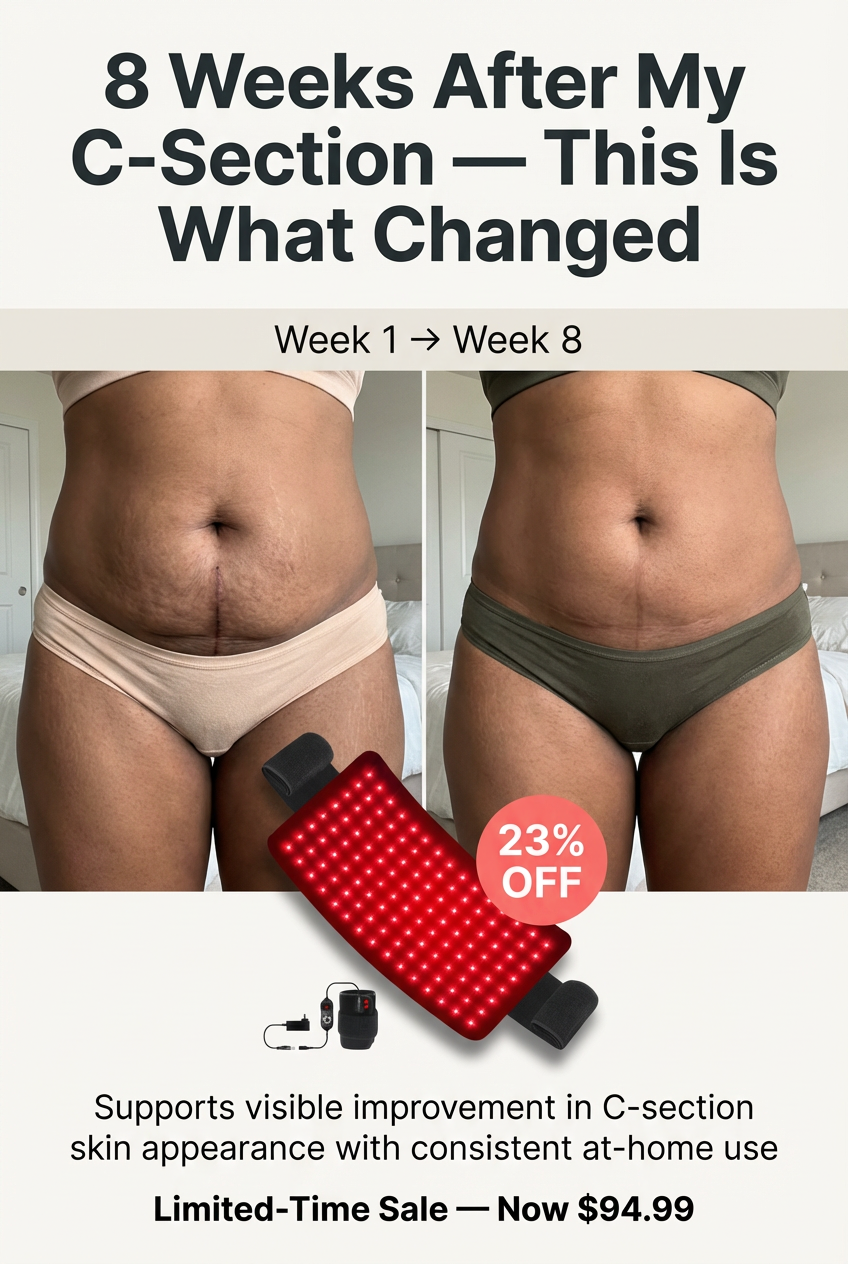
👉 Explore the Nutrofuels™ Red Light Belt now:
https://nutrofuels.com/products/red-light-belt