
The Key Differences Explained — and Why a Red Light Belt Is Often the Smarter At-Home Choice
Red light therapy and infrared saunas are often mentioned in the same breath.
They both involve light.
They’re both associated with wellness and recovery.
And they’re both marketed for inflammation, skin health, and overall vitality.
So it’s completely reasonable to ask:
Is red light therapy the same as an infrared sauna — or are they actually doing very different things?
The short answer: they are not the same, even though they sometimes overlap in benefits.
In this guide, you’ll get a clear, science-based comparison that explains:
-
What red light therapy really is
-
What infrared sauna therapy actually does
-
How their mechanisms differ
-
When one may be better than the other
-
And why many people choose a Red Light Belt for practical, consistent at-home use
This article is written in a medical-professional but readable tone, optimized for SEO, and designed to help you make the right choice for your goals.
Why Red Light Therapy and Infrared Saunas Are Often Confused
The confusion comes from one shared element: infrared light.
Both therapies may involve wavelengths in the infrared spectrum.
But how that light is delivered — and what it does in the body — is very different.
Think of it this way:
-
One therapy is about cellular energy
-
The other is about heat and whole-body stress response
Let’s break it down properly.
What Is Red Light Therapy?
Red light therapy (also called photobiomodulation) uses specific wavelengths of light to support cellular repair and energy production.
The most commonly studied wavelengths are:
-
Red light (~660 nm)
-
Near-infrared light (~850 nm)
These wavelengths:
-
Penetrate the skin and underlying tissue
-
Interact directly with mitochondria (the cell’s energy centers)
-
Do not significantly heat the body
What red light therapy does:
-
Improves mitochondrial efficiency
-
Increases ATP (cellular energy) production
-
Improves circulation locally
-
Reduces oxidative stress
-
Supports collagen and tissue repair
In simple terms:
Red light therapy works at the cellular level, not through heat.
What Is an Infrared Sauna?
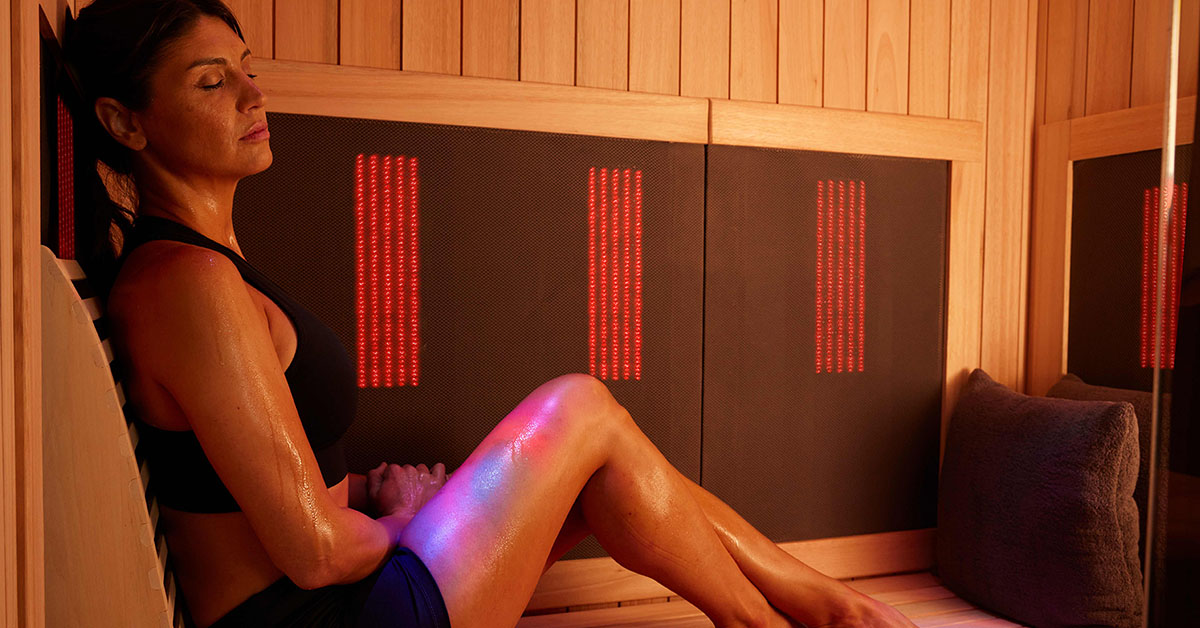
Instead of warming the air like a traditional sauna, infrared saunas:
-
Use far-infrared (and sometimes mid-infrared) wavelengths
-
Penetrate the skin and raise body temperature
-
Induce sweating and a cardiovascular response
What infrared saunas do:
-
Raise core body temperature
-
Increase heart rate
-
Promote sweating
-
Trigger a heat-stress response
Infrared sauna therapy is essentially a controlled heat exposure.
The Core Difference: Light Therapy vs Heat Therapy
This is the most important distinction.
| Feature | Red Light Therapy | Infrared Sauna |
|---|---|---|
| Primary Mechanism | Cellular energy (ATP) | Heat stress |
| Main Target | Mitochondria | Whole-body thermoregulation |
| Temperature Increase | Minimal | Significant |
| Sweat Required | No | Yes |
| Focus | Local / targeted | Systemic / full-body |
They are not interchangeable.
How Red Light Therapy Works (Without Heating You Up)
Red and near-infrared light in red light therapy:
-
Are delivered at low power
-
Do not raise core body temperature
-
Do not induce sweating
Instead, they:
-
Are absorbed by mitochondrial enzymes
-
Improve electron transport
-
Increase ATP production
This makes red light therapy ideal for:
-
Targeted recovery
-
Skin health
-
Postpartum use
-
Daily or frequent sessions
No heat tolerance required.
How Infrared Saunas Work (Through Heat Stress)
Infrared saunas rely on:
-
Elevated body temperature
-
Increased circulation via heat
-
Hormetic stress (beneficial stress from heat)
Potential benefits may include:
-
Relaxation
-
Temporary pain relief
-
Cardiovascular conditioning
-
Sweating-based detox pathways
However, these benefits depend on:
-
Tolerating heat
-
Staying hydrated
-
Having time and energy for sessions
Heat is the active agent.
Do They Share Any Overlapping Benefits?
Yes — but for different reasons.
Both therapies may support:
-
Improved circulation
-
Reduced stiffness
-
General recovery
But:
-
Red light therapy does this via cellular energy support
-
Infrared sauna does this via heat-induced blood flow
The overlap is outcome-based, not mechanism-based.
Which Is Better for Skin Health?
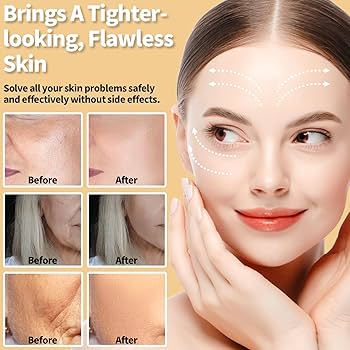
For skin-specific goals, red light therapy is usually the better choice.
Red light therapy:
-
Stimulates fibroblasts (collagen-producing cells)
-
Supports collagen and elastin production
-
Improves skin thickness and elasticity over time
-
Works locally where applied
Infrared sauna:
-
Improves circulation via heat
-
May temporarily improve skin appearance due to sweating
-
Does not directly stimulate collagen production
If your goal is:
-
Skin tightening
-
Postpartum skin recovery
-
Stretch marks or scars
Red light therapy is more targeted and biologically relevant.
Which Is Better for Recovery and Inflammation?
It depends on the situation.
Red light therapy is better when:
-
You want targeted recovery (muscle, joint, abdomen)
-
Sleep is poor
-
Heat feels exhausting
-
Daily consistency matters
Infrared sauna may help when:
-
You tolerate heat well
-
You want whole-body relaxation
-
You have time for longer sessions
For many people, especially postpartum or busy adults, heat tolerance is the limiting factor.
Why Red Light Therapy Is Often More Practical at Home
This is where real-world use matters.
Infrared saunas:
-
Require space
-
Require time
-
Require heat tolerance
-
Often require recovery after the session
Red light therapy:
-
Can be used while resting
-
Does not raise body temperature
-
Can be used daily
-
Does not require cooldown
Consistency is easier with red light therapy.
Where a Red Light Belt Fits In
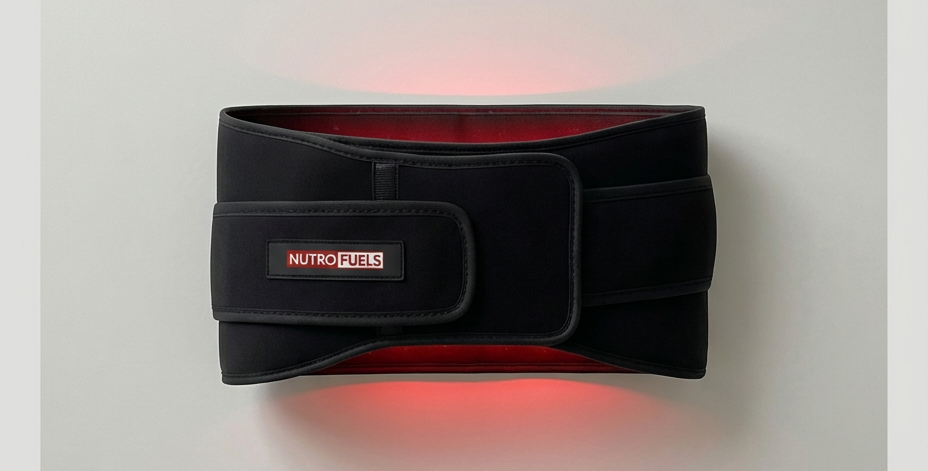
A Red Light Belt is designed to deliver red and near-infrared light directly to the area you want to support.
Unlike saunas, it:
-
Does not heat your whole body
-
Does not induce sweating
-
Does not stress the cardiovascular system
Instead, it:
-
Maintains direct skin contact
-
Delivers light efficiently
-
Encourages frequent use
This makes it ideal for:
-
Abdomen and waist
-
Lower back and hips
-
Postpartum recovery
-
Skin and connective tissue support
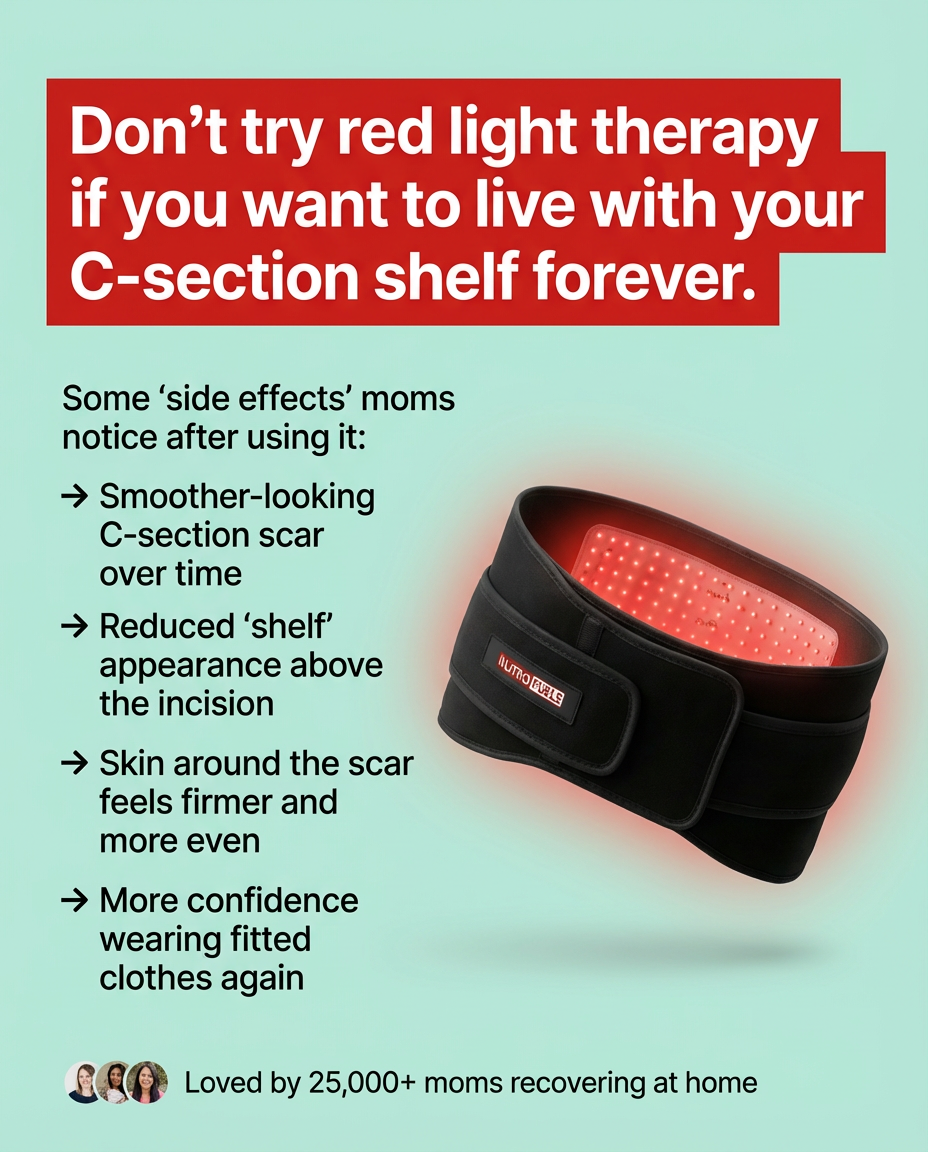
Why Many People Choose the Nutrofuels™ Red Light Belt
It features:
-
Dual-wavelength LEDs (660nm red + 850nm near-infrared)
-
Even LED coverage
-
Flexible, wearable design
-
Hands-free, non-heating use
Instead of scheduling heat sessions, you simply wear it consistently.
👉 View the Nutrofuels™ Red Light Belt here:
https://nutrofuels.com/products/red-light-belt
Can You Use Both Red Light Therapy and an Infrared Sauna?
Yes — but they serve different roles.
Some people:
-
Use infrared saunas occasionally for relaxation
-
Use red light therapy regularly for recovery and skin
The key is understanding:
They are complementary, not equivalent.
Safety Considerations
Red light therapy:
-
Generally well tolerated
-
Avoid direct eye exposure
-
Follow recommended session times
Infrared sauna:
-
Stay hydrated
-
Avoid overheating
-
Be cautious with cardiovascular conditions
Always listen to your body.
Final Answer: Are Red Light Therapy and Infrared Saunas the Same?
No.
They are fundamentally different therapies.
-
Red light therapy = cellular energy and repair
-
Infrared sauna = heat stress and sweating
If your goal is:
-
Targeted recovery
-
Skin health
-
Consistent, low-stress therapy
-
At-home convenience
A Red Light Belt is often the more practical and effective choice.
If you’re looking for a science-backed, non-heating way to support recovery and skin health at home, the Nutrofuels™ Red Light Belt is designed for exactly that.
👉 Explore the Nutrofuels™ Red Light Belt now:
https://nutrofuels.com/products/red-light-belt