
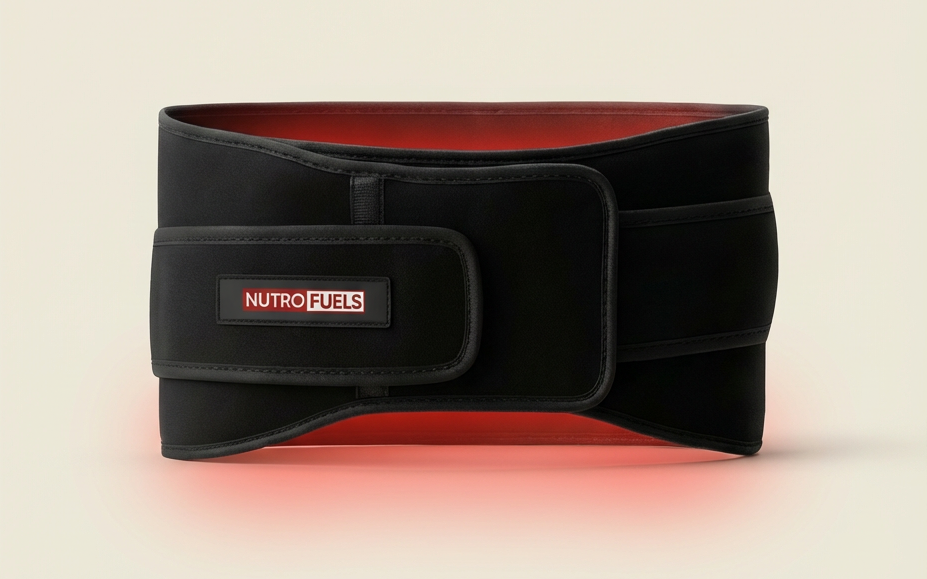
A Medical-Professional, Reality-Based Guide — and How a Red Light Belt Can Support Real Recovery
“Bounce back” culture sets new moms up to fail.
It suggests there’s a finish line.
A deadline.
A version of your body you’re supposed to return to.
But postpartum confidence doesn’t come from going backward.
It comes from helping your body finish healing — and learning to trust it again.
If you’re months postpartum and feel:
-
Stronger, but still disconnected from your body
-
Lighter on the scale, but uncomfortable in your skin
-
Grateful for what your body did, yet frustrated by how it feels
You’re not broken.
You’re in the middle of biological recovery — not a motivation problem.
This guide focuses on practical, non-punitive steps that build postpartum body confidence without dieting, pressure, or unrealistic timelines. We’ll also explain why many moms quietly use one at-home tool — the Red Light Belt — to support recovery in a way that aligns with real life.
Why “Body Confidence” Feels So Hard Postpartum
Postpartum body confidence isn’t blocked by mindset alone.
It’s blocked by unfinished recovery signals.
After pregnancy and birth, the body is still dealing with:
-
Collagen depletion and connective-tissue strain
-
Lingering inflammation
-
Altered circulation in stretched areas
-
Hormonal shifts that affect skin and tissue quality
-
Sleep deprivation that stalls healing
When the body doesn’t feel supported or stable, confidence naturally drops — regardless of gratitude or perspective.
This is why affirmations alone don’t work.
Confidence follows physical trust.
Step 1: Redefine Confidence as “Feeling Supported,” Not “Looking Normal”
Before any tools or habits, this reframing matters:
Postpartum confidence is about how your body feels to live in — not how it looks to others.
Early confidence wins are often:
-
Less pulling or tightness in the belly
-
Skin that feels thicker or more resilient
-
Less soreness at the end of the day
-
Feeling less “fragile” in movement
These sensations come from tissue recovery, not weight loss.
Step 2: Stop Measuring Progress with the Mirror Alone
Mirrors exaggerate what biology hasn’t finished yet.
Instead, track:
-
How your skin feels when you move
-
Whether clothes feel less restrictive
-
How long it takes to recover after a long day
-
Whether your body feels less “on guard”
Confidence grows when your nervous system senses safety and stability, not perfection.
Step 3: Build Body Trust Through Gentle, Consistent Input
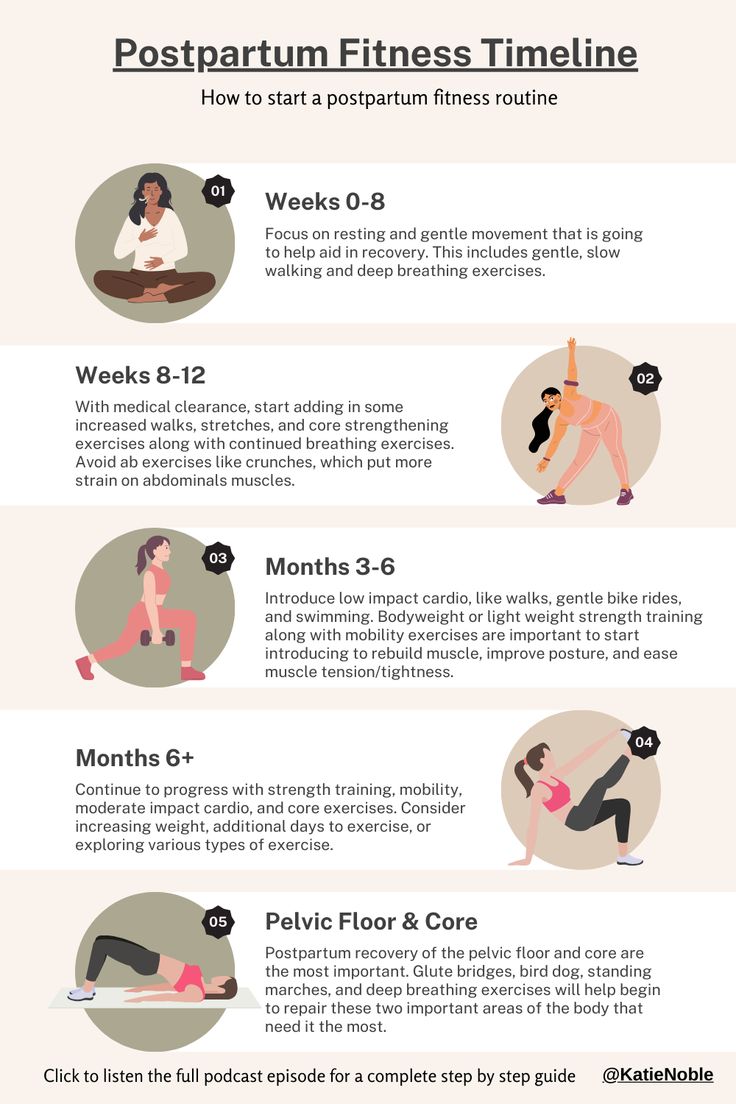
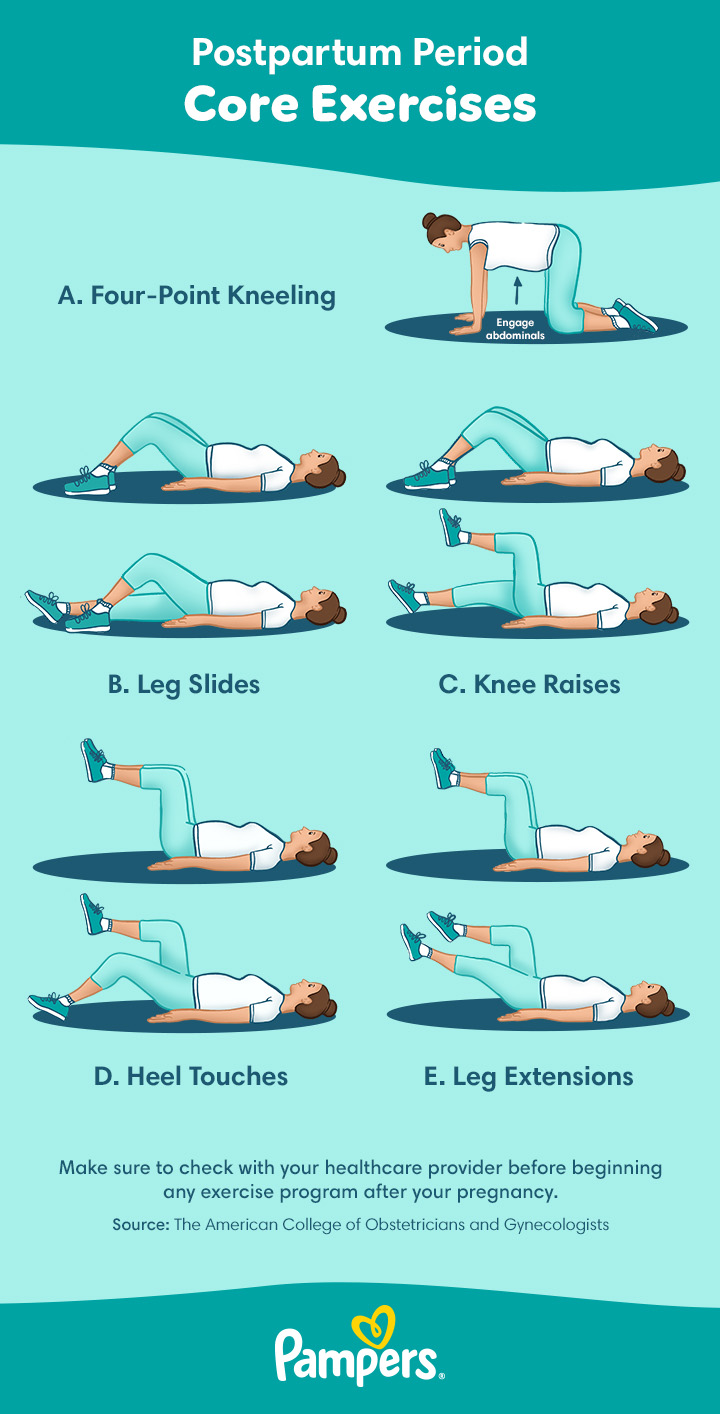
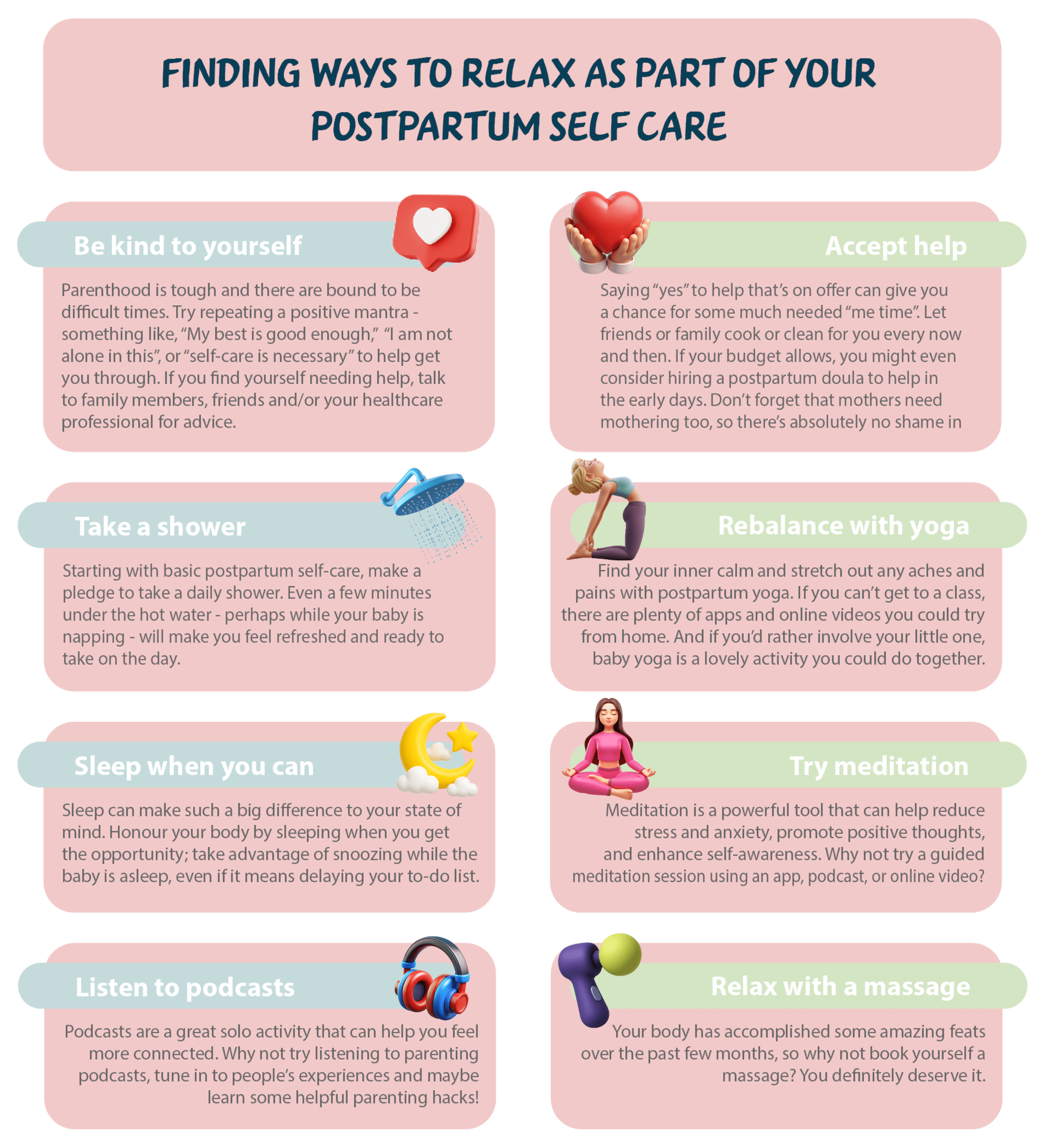
Postpartum bodies respond best to:
-
Low-stress input
-
Frequent repetition
-
Gentle signals that say “you’re safe to heal now”
This includes:
-
Short walks
-
Gentle mobility
-
Breath-based movement
-
Passive recovery tools
Not intensity.
Not punishment.
Consistency beats effort.
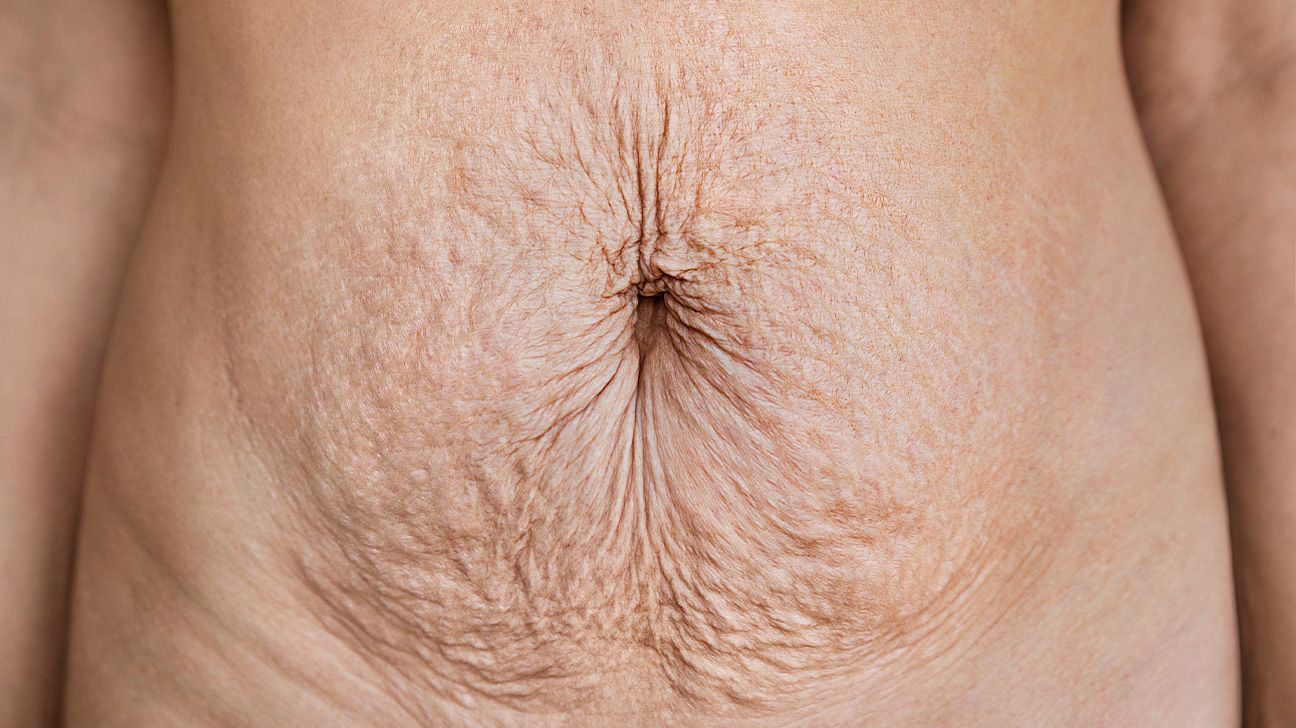
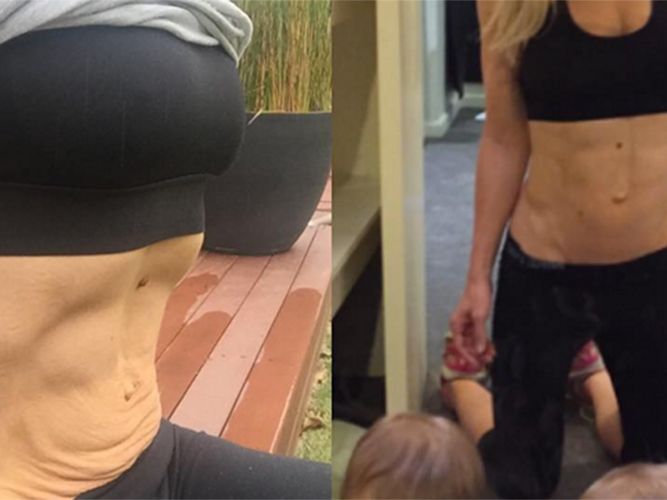
Step 4: Understand Why Skin & Soft Tissue Lag Behind Strength
Many moms say:
“I feel strong again, but my belly still feels soft.”
That’s because:
-
Muscle adapts faster than skin
-
Collagen remodeling takes longer
-
Stretched tissue has reduced circulation
This mismatch can undermine confidence — even when progress is real.
The solution isn’t harder workouts.
It’s supporting collagen and tissue recovery directly.
Step 5: Support Collagen Without Pressure or Compression
Collagen rebuilds when:
-
Fibroblasts are active
-
Circulation is adequate
-
Inflammation is low
-
Cells have enough energy (ATP)
Many common “confidence tools” don’t help here:
-
Compression hides the issue
-
Creams hydrate but don’t remodel deeply
-
Time alone doesn’t restart stalled repair
This is why non-invasive collagen support matters postpartum.
Step 6: Use Recovery Tools That Don’t Demand Motivation
Here’s a truth most moms don’t say out loud:
Confidence tools that require energy don’t survive sleep deprivation.
If something needs:
-
Setup
-
Standing
-
Focus
-
Willpower
It won’t happen consistently.
That’s why many moms turn to passive recovery tools — especially red light therapy.
What Is Red Light Therapy (and Why It’s Different)
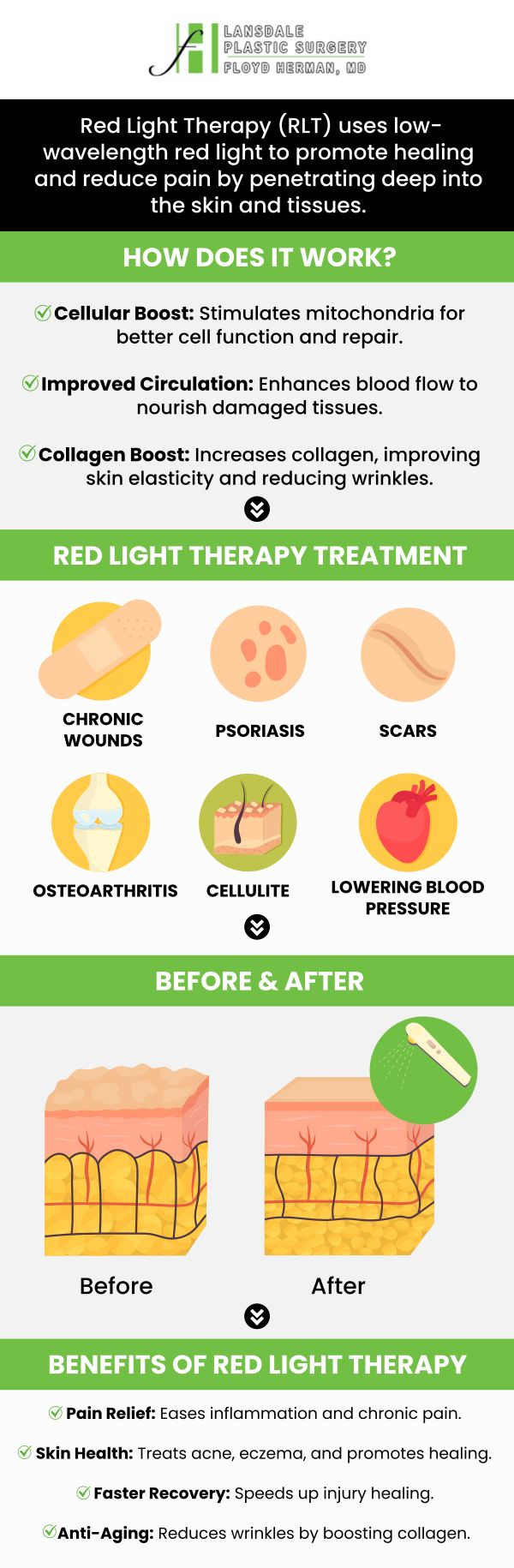
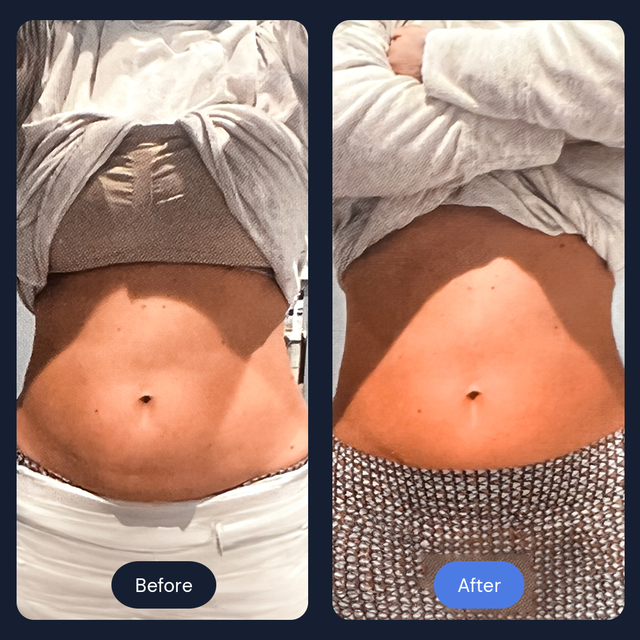
Red light therapy (photobiomodulation) uses specific wavelengths of light to support healing at the cellular level.
The most studied wavelengths are:
-
660nm red light
-
850nm near-infrared (NIR) light
These wavelengths penetrate into:
-
The dermis (where collagen is produced)
-
Connective tissue
-
Muscle and fascia
Unlike exercise or creams, red light therapy works from the inside out.
How Red Light Therapy Supports Postpartum Body Confidence
Red light therapy doesn’t promise cosmetic perfection.
It supports the physical sensations that confidence grows from.
1. Supports Collagen & Skin Resilience
-
Activates fibroblasts
-
Encourages collagen production
-
Improves tissue thickness over time
Skin that feels stronger builds trust.
2. Improves Circulation in Stretched Areas
-
Enhances oxygen and nutrient delivery
-
Helps tissue recover instead of stagnate
Better circulation = better recovery signals.
3. Reduces Lingering Inflammation
-
Modulates inflammatory pathways
-
Reduces oxidative stress
Lower inflammation = less discomfort, less guarding.
4. Restores Cellular Energy (ATP)
-
Improves mitochondrial efficiency
-
Helps tissue repair despite poor sleep
Energy-supported tissue feels safer to live in.
Why Delivery Method Matters for Confidence
Red light panels:
-
Require setup
-
Are hard to use daily with a baby
-
Deliver light from a distance
A Red Light Belt:
-
Wraps directly around the lower abdomen
-
Maintains skin contact
-
Delivers even, targeted exposure
-
Is hands-free and passive
Which means it actually gets used.
Consistency is what turns recovery into confidence.
Why Many Moms Choose the Nutrofuels™ Red Light Belt
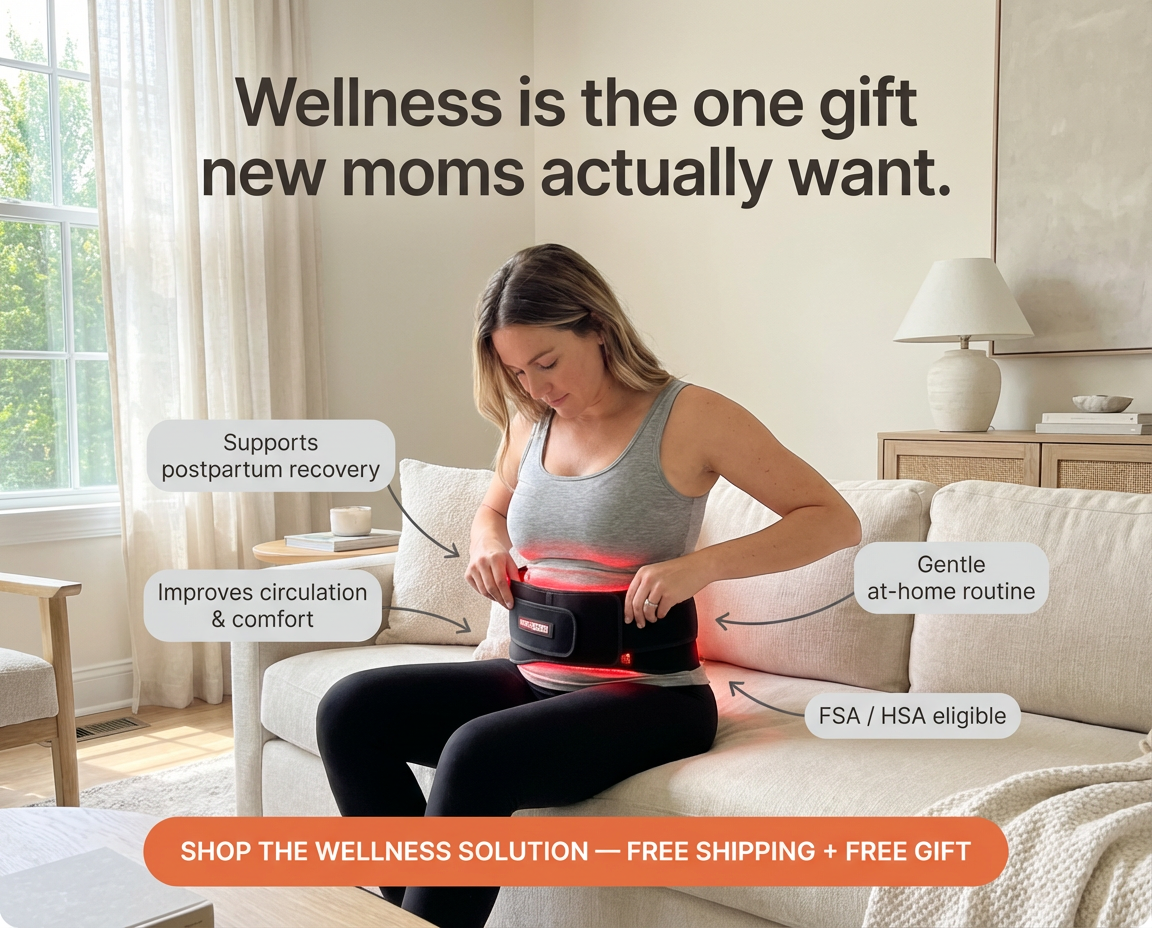
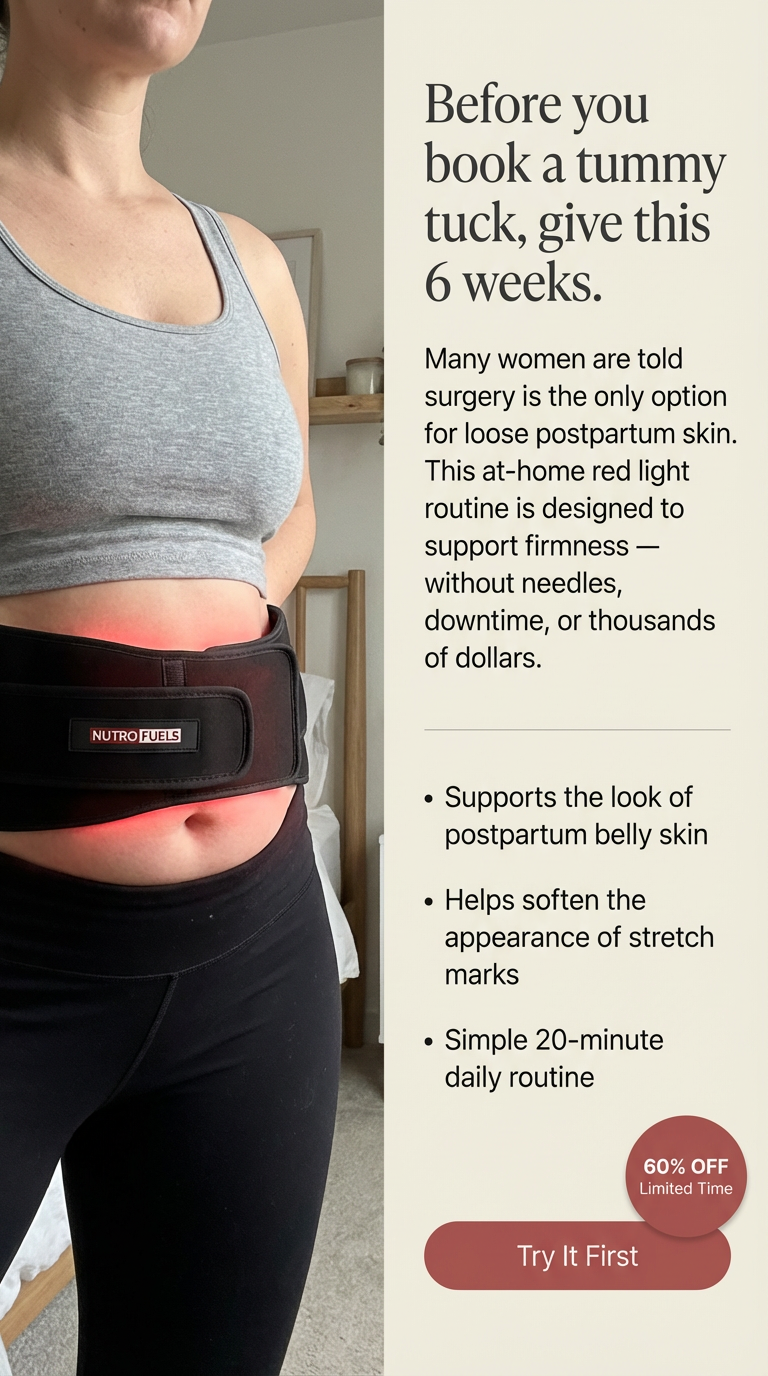
The Nutrofuels™ Red Light Belt is designed for real postpartum recovery, not ideal conditions.
It delivers:
-
Medical-grade 660nm red light to support collagen
-
Deep-penetrating 850nm near-infrared light for circulation and energy
-
Full, even coverage across the lower abdomen
-
A flexible, non-compressive, wearable design
No pressure.
No downtime.
No “fixing.”
👉 View the Nutrofuels™ Red Light Belt here:
https://nutrofuels.com/products/red-light-belt
Step 7: Build Confidence Through Daily, Neutral Rituals
Confidence grows through neutral repetition, not hype.
Examples:
-
Wearing your Red Light Belt while resting
-
Gentle mobility without mirrors
-
Clothing that supports, not hides
-
Tracking how your body feels — not how it compares
Over time, this creates:
-
Less self-monitoring
-
More physical ease
-
A quieter relationship with your body
That’s confidence.
What Confidence Looks Like at 3, 6, and 12 Months Postpartum
Confidence is not linear — but it does progress.
-
3 months: Less fragility, more trust
-
6 months: Skin feels more supported, less “deflated”
-
12 months: Body feels like home again
Not because you “bounced back.”
Because you allowed recovery to complete.
Safety Notes
Red light therapy is generally well tolerated when used as directed.
Important reminders:
-
Avoid open wounds
-
Follow recommended session times
-
If you’ve had a recent C-section, consult your healthcare provider
Red light therapy is a support tool, not a medical treatment.
Final Takeaway: Confidence Without Pressure
Postpartum body confidence doesn’t come from:
-
Shrinking
-
Comparing
-
Fixing
-
Forcing
It comes from:
-
Supporting healing
-
Reducing stress on the body
-
Restoring physical trust
-
Using tools that respect your energy
And for many moms, the Red Light Belt is part of that process — not because it promises perfection, but because it quietly supports recovery without asking more from you.
👉 Explore the Nutrofuels™ Red Light Belt now:
https://nutrofuels.com/products/red-light-belt