
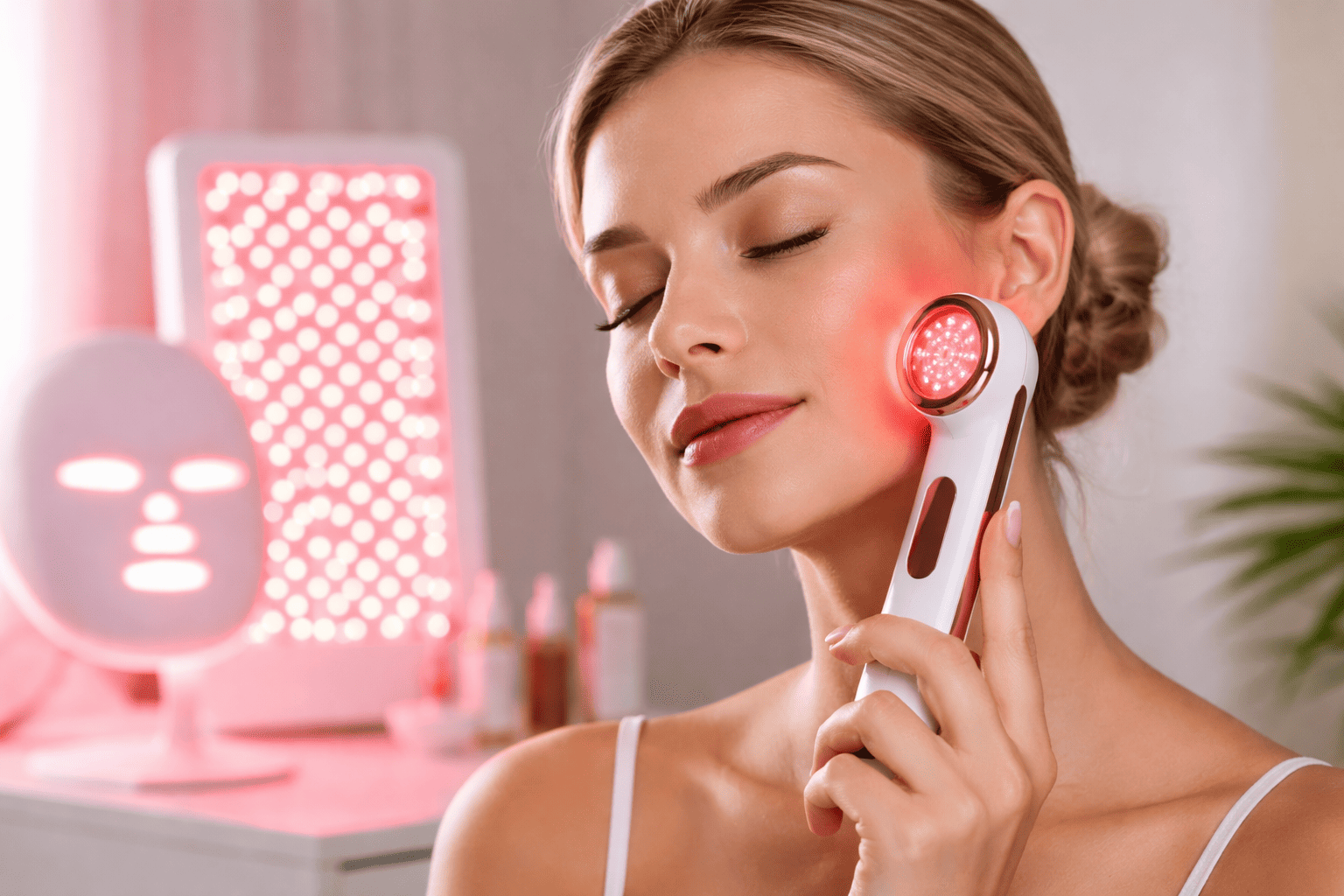
red light therapy device for skin can be overwhelming. The market is flooded with cheap masks, handheld wands, and full-body panels, all claiming miraculous results. However, not all devices are created equal. To see real improvements in collagen production, acne reduction, or texture smoothing, specific technical parameters must be met.
This guide cuts through the marketing noise to help you select a device that actually works.
Why Device Quality Matters for Skin Results
Clinical studies on red light therapy (photobiomodulation) rely on precise dosages. If a device has weak power output (irradiance) or incorrect wavelengths, it simply won't penetrate the dermis deeply enough to stimulate the mitochondria in your cells.
Key Technical Specs to Watch
-
Wavelengths: For skin health, you specifically need 660nm (Red) for surface texture and collagen, and 850nm (Near-Infrared) for deeper inflammation and healing.
-
Irradiance: This is the intensity of the light. A device for skin needs at least 100mW/cm² at 6 inches to be effective within a 10-20 minute session.
-
EMF Levels: High quality devices emit zero or negligible electromagnetic fields.
Types of Devices: Pros and Cons
1. LED Face Masks
-
Pros: Convenient, wearable, hands-free.
-
Cons: Often have lower power output; sit very close to skin so hygiene is critical.
-
Best For: Maintenance; mild acne; convenience seekers.
2. Handheld Wands
-
Pros: Portable; good for targeting single pimples or small scars.
-
Cons: Tiring to hold; takes forever to treat the whole face.
-
Best For: Spot treatment.
3. LED Panels (Tabletop or Wall-Mounted)
-
Pros: Highest power; medical-grade efficacy; treats face and neck simultaneously.
-
Cons: Requires dedicated space; you must sit in front of it (not wearable).
-
Best For: Serious anti-aging; max collagen boosting; reducing inflammation.
🤔 Decision Guide: How to Choose the Right Device for You
Use this decision matrix to select the best skin therapy tool for your lifestyle:
If your goal is Anti-Aging & Deep Wrinkles:
Choose a Tabletop Panel. You need the high power (irradiance) to penetrate deep into the dermis to stimulate fibroblasts. Masks often aren't powerful enough for significant wrinkle reversal.
If your goal is Mild Acne or Maintenance:
Choose an LED Mask. The convenience ensures you will actually use it daily, which is key for acne management. Look for one with a dedicated Blue Light mode if you have active breakouts.
If you travel frequently:
Choose a Handheld Wand. While less powerful, consistency is key. A wand fits in a carry-on and helps maintain your skin health while on the road.
If you have sensitive eyes:
Choose a Panel with included goggles. Masks sit close to the eyes and can be irritating for some users, whereas panels allow you to close your eyes and relax from a distance.
Safety, Risks, and Effectiveness
Red light therapy is generally considered safe and non-invasive. However, proper usage is essential to avoid risks.
-
Eye Safety: While red light is generally safe for eyes (and may even help declining vision), bright LEDs can be uncomfortable. Always wear the blackout goggles provided with high-powered devices.
-
Photosensitivity: If you use skincare products containing Retinol, Accutane, or high-concentration Vitamin C, consult your dermatologist. These increase light sensitivity and could cause a reaction.
-
Heat: True LED therapy is non-thermal (it doesn't rely on heat). If your device feels hot enough to burn, stop using it.
FAQ
Q: Can I use a red light therapy device for skin every day?
Yes, for skin concerns, 3-5 times a week is standard. Daily use is generally safe, but give your cells time to process the energy.
Q: How long until I see results?
Skin cell turnover takes about 28 days. Expect to see improvements in glow and texture after 4 weeks, with collagen benefits appearing after 8-12 weeks of consistent use.
Q: Is a cheap device on Amazon worth it?
Rarely. Cheap devices often lie about their irradiance or wavelength specs. Stick to reputable brands with third-party testing.
Q: Do I need to wear goggles?
For high-power panels, yes. It is protecting your eyes from strain due to brightness.
Q: Can I share my device with others?