
.png?w=765&h=621)
How Light Supports Brain Energy, Focus, and Recovery — and Where a Red Light Belt Fits In
Brain fog.
Mental fatigue.
Slower focus than you used to have.
For many health-conscious adults, cognitive performance is no longer just about memory or intelligence — it’s about mental energy, clarity, and resilience under stress.
That’s why red light therapy has started attracting attention far beyond skin and muscle recovery.
Researchers are now exploring an important question:
Can red light therapy support cognitive performance by improving brain energy and cellular function?
In this guide, we’ll break down:
-
What red light therapy is and how it interacts with the brain
-
The emerging science behind red light therapy and cognitive performance
-
What benefits are realistic (and what are not)
-
Safety considerations and practical guidance
-
And how an at-home device like a Red Light Belt fits into a broader recovery-and-performance routine
This article is written in a medical-professional but readable tone, optimized for SEO and conversion, and grounded in current research — not hype.
Why Cognitive Performance Declines (Even in Healthy Adults)
Cognitive performance isn’t just about neurons firing correctly.
It depends heavily on:
-
Mitochondrial energy (ATP)
-
Adequate oxygen delivery
-
Healthy blood flow
-
Low chronic inflammation
-
Nervous system balance
Modern life disrupts all of these.
Common contributors to mental fatigue include:
-
Poor or fragmented sleep
-
Chronic stress and elevated cortisol
-
Inflammation from illness or overtraining
-
Reduced circulation
-
Postpartum or post-illness recovery
-
Aging-related mitochondrial decline
When brain cells don’t have enough energy, cognitive performance drops — even if there’s no disease present.
This is where red light therapy enters the conversation.
What Is Red Light Therapy?
Red light therapy, also known as photobiomodulation, uses specific wavelengths of red and near-infrared (NIR) light to support cellular function.
The most studied wavelengths are:
-
Red light ≈ 660 nm
-
Near-infrared light ≈ 850 nm
Unlike UV light:
-
These wavelengths do not damage tissue
-
They penetrate into skin and underlying tissue
-
They interact with cells at the mitochondrial level
Red light therapy is already used in:
-
Sports recovery
-
Physical therapy
-
Wound healing research
-
Skin and connective-tissue support
Now, researchers are examining its potential effects on the brain.
The Mitochondrial Link Between Red Light and the Brain
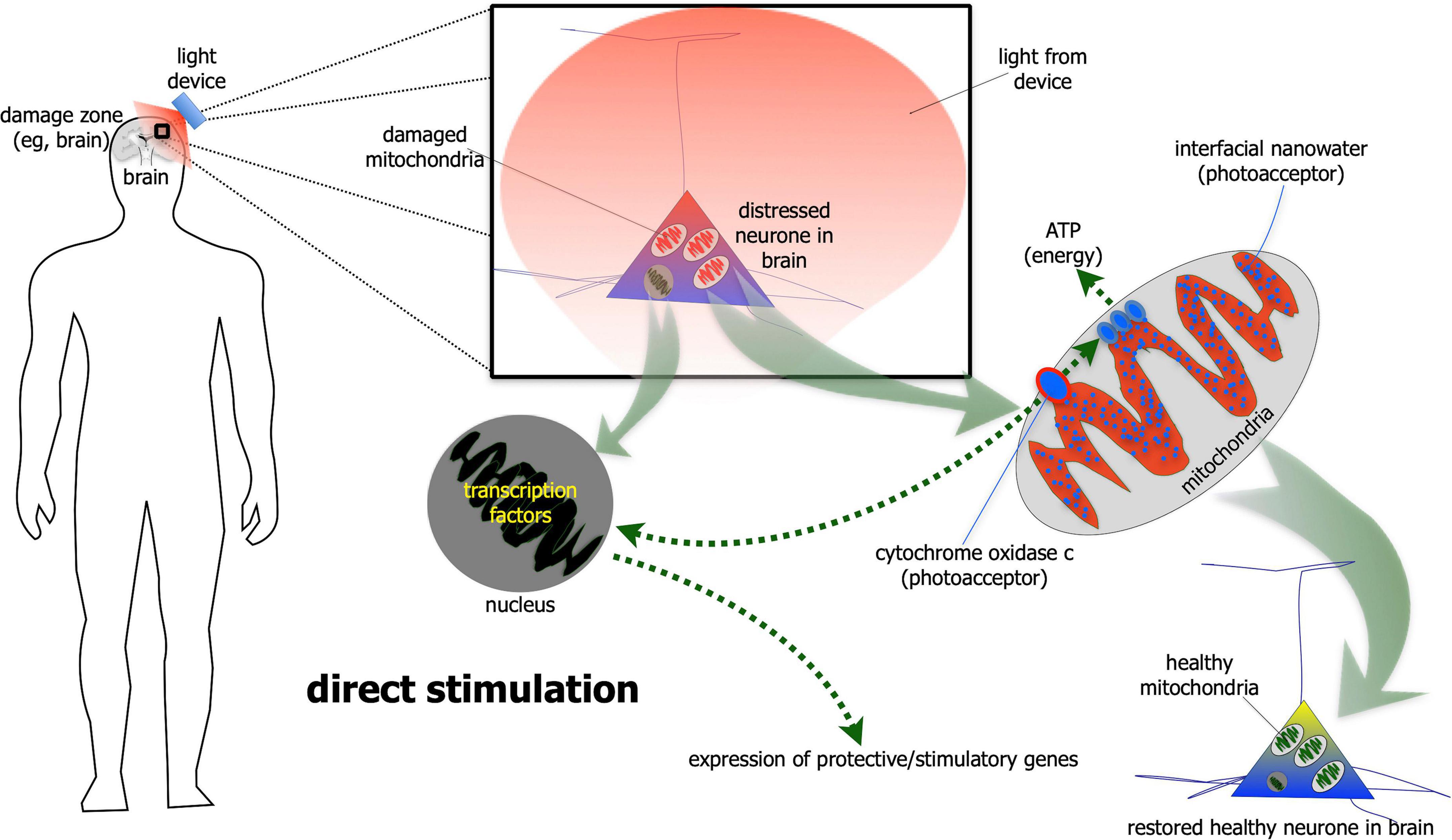
To understand cognitive benefits, we need to talk about mitochondria.
Mitochondria are the “power plants” of your cells — including neurons.
They produce ATP, which fuels:
-
Neurotransmitter production
-
Neural signaling
-
Cellular repair
-
Resistance to oxidative stress
When mitochondrial function declines:
-
Mental fatigue increases
-
Focus drops
-
Reaction time slows
-
Cognitive resilience decreases
Red light therapy supports mitochondria by:
-
Improving mitochondrial efficiency
-
Increasing ATP production
-
Reducing oxidative stress
-
Supporting blood flow and oxygen delivery
In simple terms:
Red light therapy helps brain cells produce and use energy more efficiently.
This is the biological foundation behind cognitive-performance research.
What the Emerging Science Suggests About Cognitive Performance
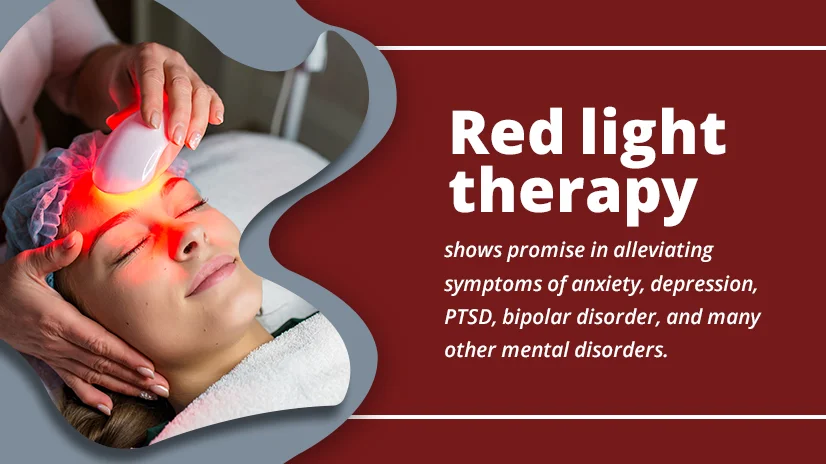

Research into red light therapy and cognition is still emerging, but early findings are promising.
Studies suggest potential support for:
-
Mental clarity
-
Attention and focus
-
Processing speed
-
Cognitive endurance
-
Recovery from mental fatigue
Importantly, these effects are not described as “stimulation” like caffeine.
Instead, they’re described as energy normalization and recovery support.
How Red Light Therapy May Support Cognitive Performance
Let’s break down the key mechanisms.
1. Improved Cellular Energy (ATP)
Neurons are energy-hungry cells.
Red and near-infrared light:
-
Improve mitochondrial respiration
-
Increase ATP availability
-
Support sustained neural activity
This may help explain why some users report:
-
Less mental fatigue
-
Improved focus endurance
-
Better clarity under stress
2. Enhanced Cerebral Blood Flow
Healthy cognitive function depends on blood flow.
Red light therapy may:
-
Improve microcirculation
-
Enhance oxygen delivery
-
Support nutrient transport to neural tissue
Better blood flow supports better brain performance.
3. Reduced Neuro-Inflammatory Stress
Chronic inflammation affects the brain just like it affects muscles and skin.
Red light therapy:
-
Modulates inflammatory signaling
-
Reduces oxidative stress
-
Supports a healthier neural environment
Lower inflammatory load = better cognitive resilience.
4. Support During Recovery and Sleep Deprivation
Cognitive performance often drops during:
-
Postpartum recovery
-
Sleep deprivation
-
Illness recovery
-
High training or work stress
Red light therapy does not replace sleep — but it can support:
-
Cellular recovery pathways
-
Energy availability
-
Tissue repair processes
This is why it’s often discussed as a recovery-support tool, not a stimulant.
What Red Light Therapy Is NOT for Cognitive Performance
It’s critical to set realistic expectations.
Red light therapy:
-
Does not increase IQ
-
Does not act like a stimulant
-
Does not replace sleep or nutrition
-
Does not cure neurological disease
Its role is supportive, not corrective or curative.
Safety and Risk Considerations
Red light therapy is generally considered low risk when used appropriately.
General safety guidance:
-
Avoid direct eye exposure
-
Follow recommended session durations
-
Use devices that disclose wavelengths
-
Consult a healthcare provider if you have neurological conditions
Red light therapy is non-invasive and drug-free, which is why it’s widely explored for home use.
Why Delivery Method Matters for Cognitive-Support Use
Here’s an important distinction.
Many cognitive studies use:
-
Targeted light delivery
-
Consistent dosing
-
Repeated sessions
At home, the biggest barrier to benefit is consistency.
Large panels:
-
Require setup
-
Require standing or positioning
-
Are often skipped on busy or low-energy days
Wearable solutions reduce friction.
Where a Red Light Belt Fits Into Cognitive-Performance Support
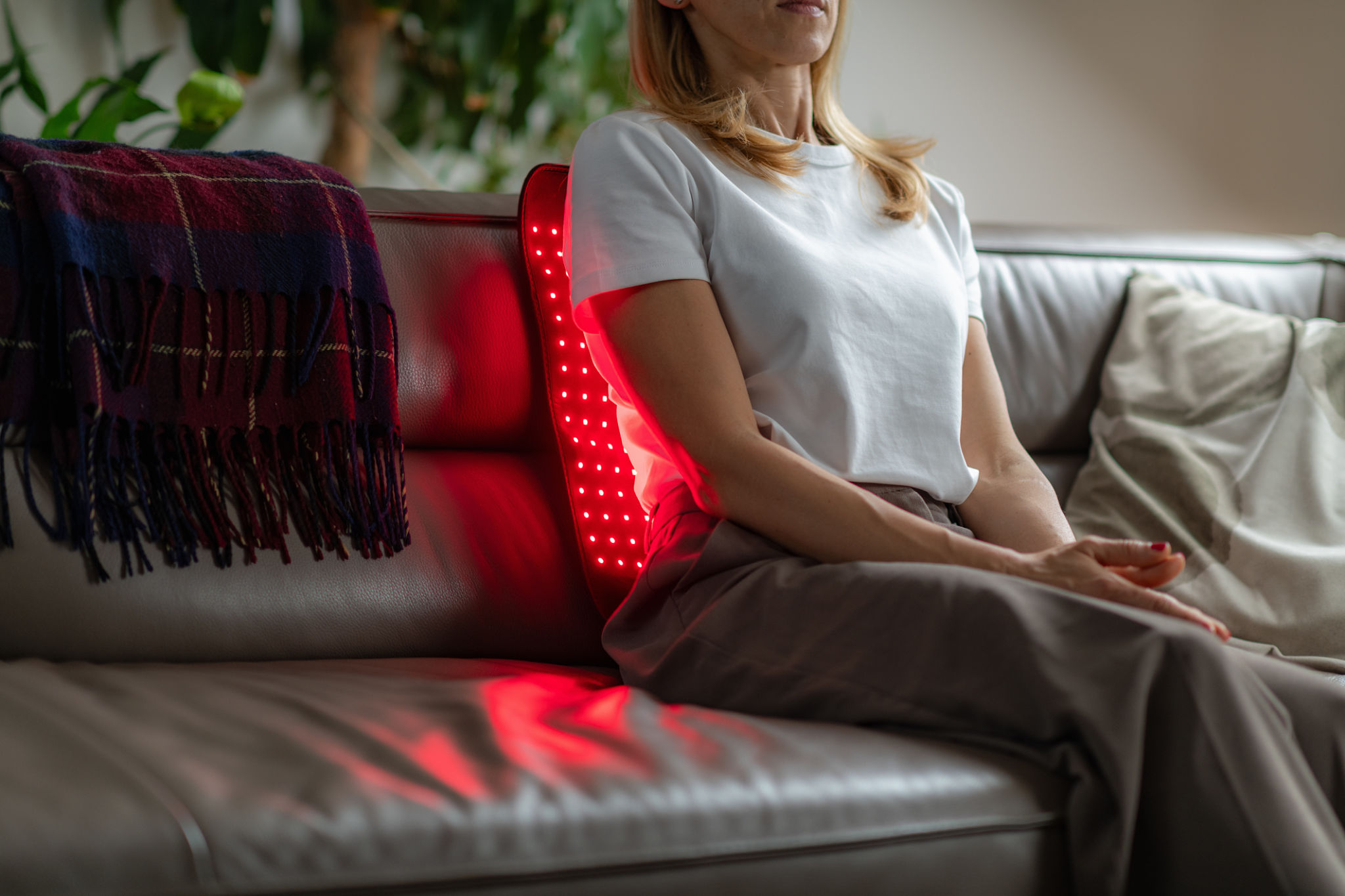
A Red Light Belt is not a “brain device.”
Instead, it supports cognitive performance indirectly by improving the systems cognition depends on:
-
Mitochondrial energy
-
Circulation
-
Inflammation control
-
Overall recovery capacity
Cognitive performance improves when the body is not in a chronic recovery deficit.
Why Many Users Choose the Nutrofuels™ Red Light Belt
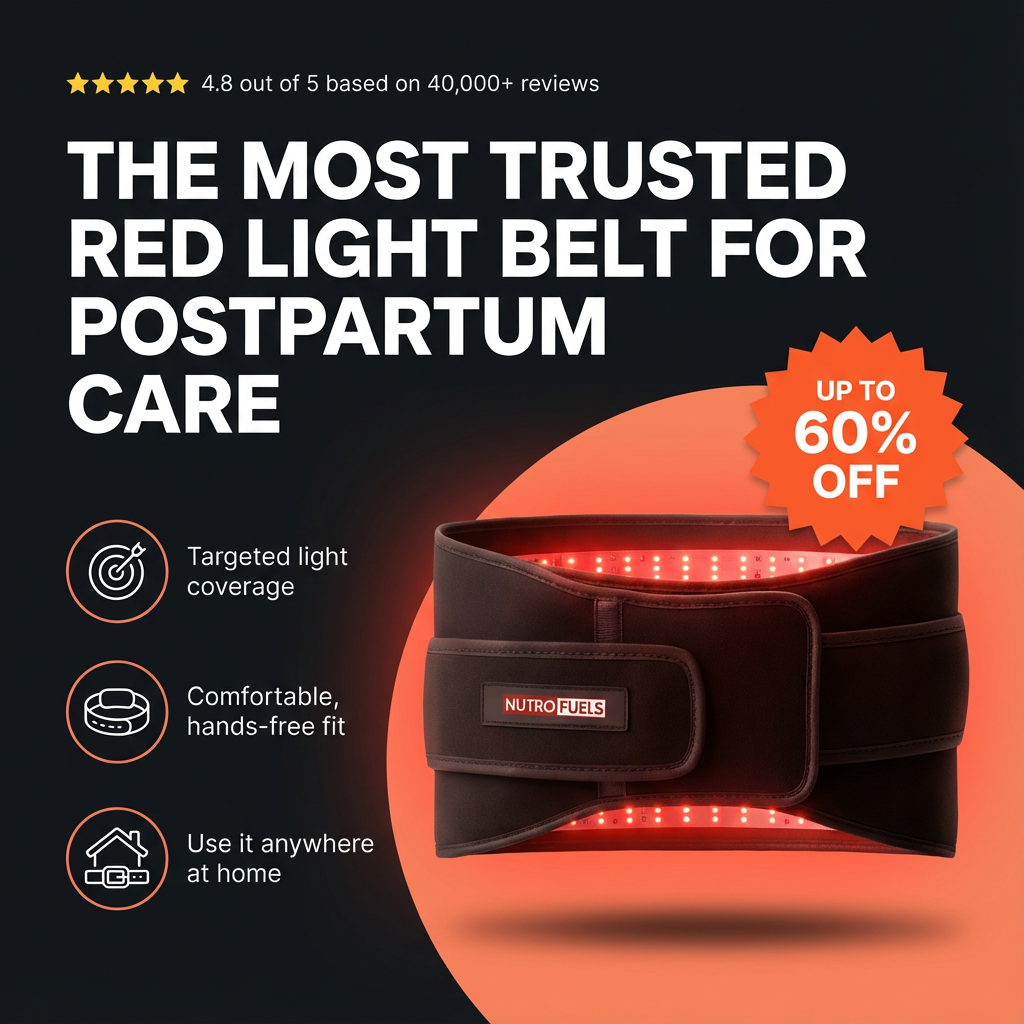
The Nutrofuels™ Red Light Belt is designed for consistent, targeted red light therapy at home.
Key features include:
-
Dual-wavelength LEDs (660nm + 850nm)
-
Even LED coverage
-
Direct skin contact for efficient delivery
-
Wearable, hands-free design
While it’s often used for skin, recovery, and postpartum support, many users integrate it into routines focused on:
-
Overall energy
-
Reduced fatigue
-
Improved recovery from stress
👉 View the Nutrofuels™ Red Light Belt here:
https://nutrofuels.com/products/red-light-belt
Practical Guidance: How to Use Red Light Therapy as Part of a Cognitive-Support Routine
Red light therapy works best as part of a system, not a standalone hack.
General best practices:
-
20–30 minutes per session
-
Daily or 5–6 times per week
-
Use during rest, meditation, or recovery time
-
Stack with good sleep hygiene, hydration, and nutrition
What users often notice first:
-
Reduced mental fatigue
-
Better tolerance for long focus periods
-
Improved sense of clarity
Visible or dramatic effects are not the goal — resilience is.
Who May Benefit Most From This Approach
Red light therapy may be useful for:
-
Professionals under chronic cognitive load
-
New parents experiencing mental fatigue
-
Athletes balancing physical and mental stress
-
Health-conscious adults focused on longevity
-
Anyone recovering from prolonged stress or illness
It’s about supporting brain energy, not forcing performance.
Final Takeaway: Red Light Therapy and Cognitive Performance
The emerging science around red light therapy and cognition is exciting — but it’s important to stay grounded.
Red light therapy:
-
Supports mitochondrial energy
-
Improves circulation
-
Reduces inflammatory stress
-
Helps the brain function in a healthier environment
It does not act like a stimulant or shortcut.
And for at-home use, a Red Light Belt is one of the most practical ways to integrate red light therapy consistently, which is what actually drives benefits.
If you’re looking for a science-backed, non-invasive way to support recovery, energy, and resilience — including cognitive performance — the Nutrofuels™ Red Light Belt is built for that kind of long-term use.
👉 Explore the Nutrofuels™ Red Light Belt now:
https://nutrofuels.com/products/red-light-belt